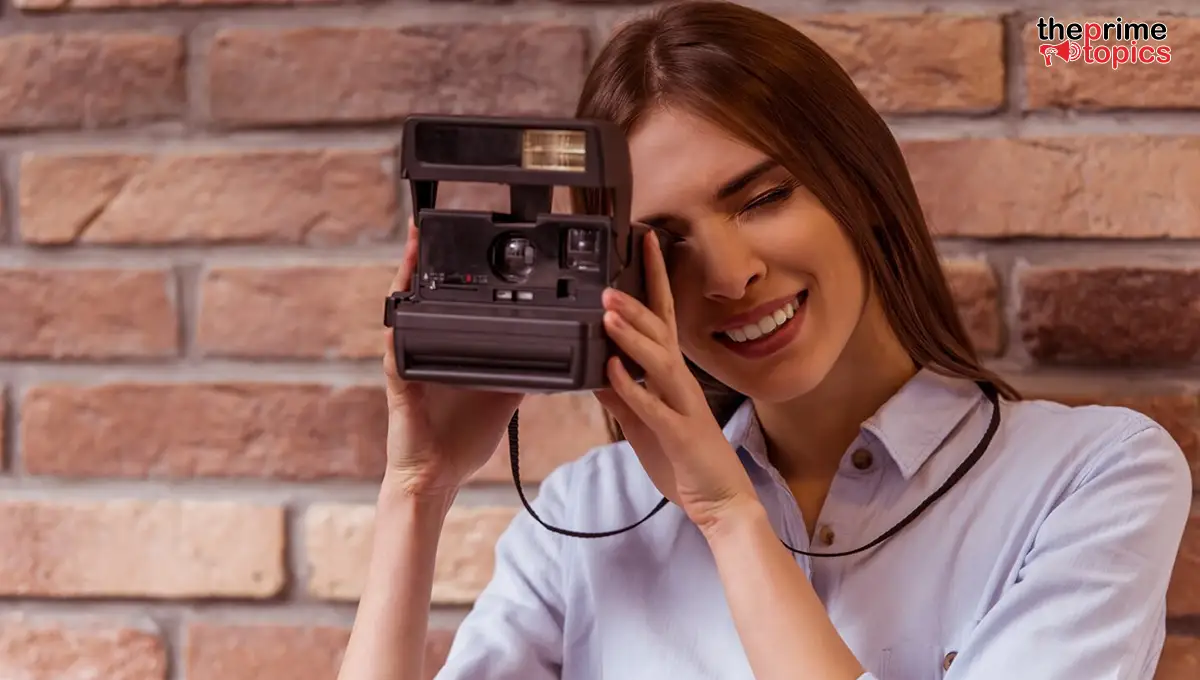
Which Polaroid Camera Should You Actually Buy: A Guide for First-Time Buyers
Instant cameras make photography feel tangible again. Instead of taking hundreds of digital photos that stay on a phone, you get a physical print shortly after pressing the shutter. For first-time buyers, however, choosing the right model can be confusing. Size, image format, controls, film cost and portability all matter.
If you are wondering which polaroid camera is best, the answer depends less on having the most features and more on matching the camera to how you plan to use it. A compact model can be ideal for travel, while a full-size instant camera may suit people who want larger prints and a more traditional shooting experience.
Quick Overview
The right instant camera depends on your priorities, including portability, print size, ease of use and creative control. Beginners should prioritize simple controls and a film format that suits their photography style. Compact cameras are convenient for travel, parties and spontaneous snapshots. Larger instant cameras can produce a more classic instant-photo experience with bigger prints. Film cost is an important part of the ownership budget and should be considered before buying. A good first camera should be enjoyable enough to use regularly rather than sitting unused after the novelty wears off.
Start With Your Photography Style
Before choosing a camera, think about when you will actually use it. Planning to take photos at parties, concerts, vacations and casual outings? Portability should be high on your list. If you want portraits, creative compositions and larger physical prints, a full-size model may be more appealing.
The simplest approach is to identify your typical shooting situation first. Your camera should fit naturally into your routine rather than require you to plan every photo around it.
This is one of the most important principles in any polaroid camera buying guide: convenience often determines how frequently you use an instant camera.
Choose the Right Film Format
Film size changes the entire experience. Full-size instant film produces larger photographs that can work particularly well for portraits, group shots and wall displays. Smaller film formats are easier to carry and can make more sense for travelers or anyone who wants a pocket-friendly camera.
Think about what happens after the picture develops. If you want to create a physical photo album or display your favorite images, larger prints may be more satisfying. If you want to hand photos to friends or collect them during trips, smaller prints can be more practical.
Film availability and price should also influence your decision because every shutter press has an ongoing cost.
Polaroid Now vs Polaroid Go
The polaroid now vs polaroid go decision mainly comes down to size, print format and portability. A full-size model is better suited to people who want a traditional instant-camera experience with larger prints. Its bigger body may be less convenient to carry, but the larger format can make photos feel more substantial.
The Go is designed around compactness. Its smaller size makes it attractive for travel, nights out and spontaneous photography. The trade-off is a smaller print and a more compact shooting experience.
If portability is your priority, the Go can be the smarter option. If print size and a classic instant-camera feel matter more, the Now may be the better fit.
Look for Beginner-Friendly Controls
A first instant camera should not make basic photography unnecessarily complicated. Look for straightforward controls that let you focus on composition rather than navigating complicated menus. Features such as autofocus, flash control and self-timer functionality can be useful for beginners.
At the same time, some creative controls can make an instant camera more enjoyable as your skills improve. Exposure adjustments, multiple-exposure options and different shooting modes can give you room to experiment.
The best polaroid camera for beginners 2026 is therefore not necessarily the model with the longest feature list. It is the one that offers enough control to learn without creating unnecessary frustration.
Consider Autofocus and Lighting
Lighting has a major impact on instant photography. Indoor environments, evening gatherings and low-light scenes can be challenging because instant film has limitations compared with modern smartphone cameras. A dependable flash system can help with portraits and casual indoor shots.
Autofocus is another useful feature, particularly for first-time photographers. It can reduce the number of blurry images and make spontaneous photography easier.
However, no instant camera can completely overcome poor lighting. Learning to position your subject near available light can often make a bigger difference than switching between camera models.
Think About Portability
A camera that stays at home cannot capture spontaneous moments. Compact instant cameras are easier to slip into a small bag and carry during travel. Their lightweight design can also make them more comfortable during events where you expect to take photos for several hours.
Larger cameras can still be portable enough for everyday use, but they occupy more space and may require more care while traveling.
Ask yourself a simple question: Will I carry this camera with me? If the answer is uncertain, a smaller model may provide more practical value.
Compare the Key Features
Use this quick table to narrow down your options before purchasing:
|
Feature |
Full-Size Instant Camera |
Compact Instant Camera |
|
Print size |
Larger |
Smaller |
|
Portability |
Moderate |
Excellent |
|
Best for |
Portraits, groups, albums |
Travel, parties, casual shots |
|
Learning curve |
Easy to moderate |
Easy |
|
Bag space |
More |
Less |
|
Photo display |
Larger physical prints |
Compact prints |
|
Ideal buyer |
Traditional instant-photo fans |
Travelers and casual users |
The best choice depends on which column matches your lifestyle.
Check Film Costs Before Buying
The camera itself is only the beginning of the expense. Instant photography requires dedicated film, so calculate the approximate cost per photograph before committing to a particular model. Someone who takes 10 pictures every month has very different film needs from someone who shoots several packs during every weekend outing.

Also check whether the film is readily available in your market. A camera may look affordable initially but become less appealing if compatible film is difficult or expensive to source. This is an often-overlooked part of deciding which polaroid camera is best.
Consider Your Long-Term Use
Think beyond the first few weeks. If you mainly want an instant camera for occasional travel memories, a simple compact model may be enough. If you are interested in portrait photography, creative projects or building a physical photo collection, investing in a model with more flexibility could make sense.
Your experience level can also change. A beginner-friendly camera should ideally remain useful as you become more comfortable with composition, lighting and exposure.
That makes versatility valuable, but only when the additional features genuinely match your interests.
Is an Instant Camera Right for You?
Instant cameras are not designed to replace smartphones or mirrorless cameras. They offer something different: physical photographs, deliberate shooting and a little unpredictability.
Every frame costs money, which encourages you to slow down and think before pressing the shutter. The resulting print also becomes an object you can hold, display or give to someone.
For people who value physical memories and creative experimentation, an instant camera can be much more rewarding than its technical specifications suggest.
If you are searching for the best instant camera to buy 2026, focus on the complete experience rather than simply choosing the newest or most expensive option.
Final Buying Checklist
Before placing your order, check these essentials:
- Choose between full-size and compact film.
- Decide how important portability is.
- Check the camera's focusing and flash system.
- Research the ongoing film cost.
- Consider whether you need creative shooting modes.
- Make sure compatible film is easy to find.
- Think about how often you will realistically use the camera.
The goal is to find a model that makes taking instant photos enjoyable and convenient.
Conclusion
Choosing an instant camera becomes much easier once you know what matters to you. Larger models suit photographers who prioritize bigger prints and a classic experience, while compact options make more sense for travel and spontaneous shooting. Consider film costs, portability, controls and lighting performance before buying. Ultimately, which polaroid camera is best comes down to the camera that fits your habits and gives you a reason to keep taking pictures.
FAQs
1. Which Polaroid camera is best for first-time buyers?
The best choice depends on your priorities. A full-size model can suit buyers who want larger prints, while a compact option is better for portability and casual photography.
2. Is Polaroid Now better than Polaroid Go?
It depends on what you value. The Now offers a larger instant-photo format, while the Go emphasizes compactness and portability.
3. Is the Polaroid Go good for beginners?
Yes. Its compact design and straightforward shooting experience can make it appealing to first-time instant-camera users, especially those who prioritize portability.
4. How much does instant camera film cost?
Film prices vary by format, pack size and retailer. Check the current price of compatible film and calculate the approximate cost per photo before purchasing a camera.
5. What should I look for in a first instant camera?
Prioritize ease of use, film availability, print size, portability, focusing, flash performance and ongoing film costs. These factors generally matter more than having the maximum number of features.