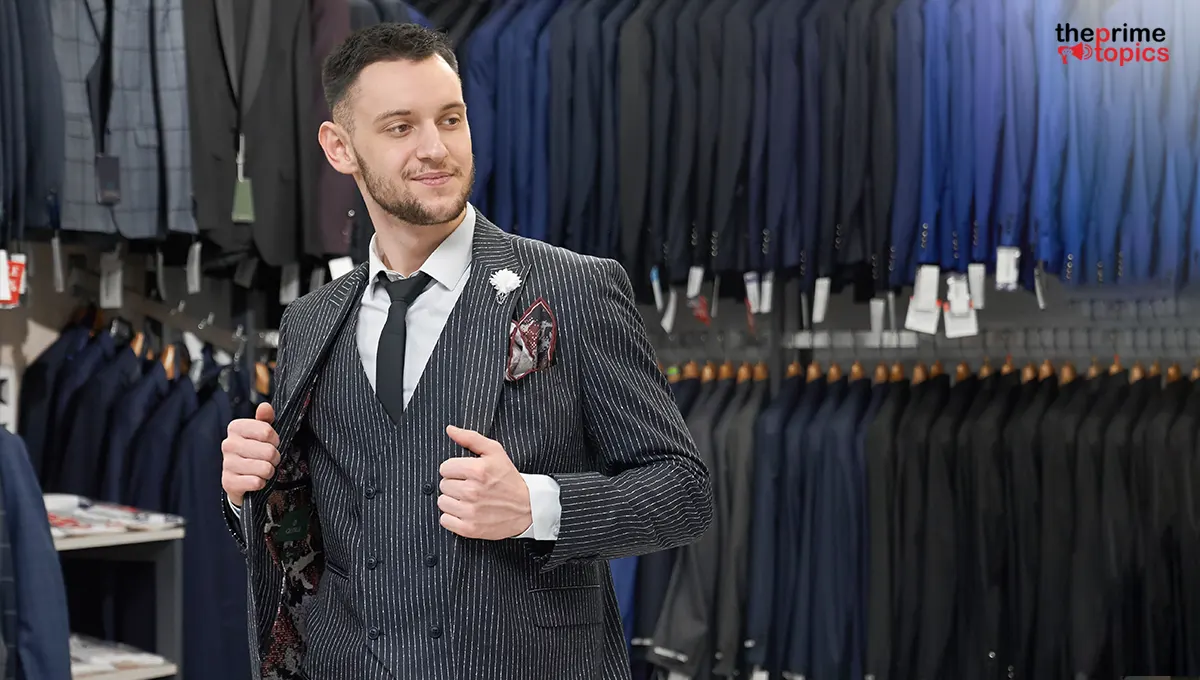
Prom Suits for Guys: 10 Best Prom Suit Ideas, Costs & Tuxedo vs. Suit Tips
Prom shopping usually starts with one of two problems: either you have no idea what to wear, or you have too many ideas and no way to narrow them down. Either way, the questions are pretty much the same.
Suit or tuxedo?
What color actually looks good?
How much is this going to cost once you add everything up?
And how do you make sure it fits right instead of just looking "okay" in photos?
This guide walks through all of it. 10 genuinely different prom suit directions, how to decide between a suit and a tuxedo, what actually drives the total cost of a prom outfit, whether renting or buying makes more sense for you, and how to avoid the fit mistakes that show up in almost every prom photo gallery. Whether you're the one wearing it or you're a parent helping someone shop, the goal here is to make the decision easier, not longer.
Suit or Tuxedo? Start Here Before Picking a Color
Before getting into style ideas, it helps to answer the bigger question first: is this a suit occasion or a tuxedo occasion? That decision shapes everything else, from shirt choice to shoes.
Short answer: A tuxedo leans more formal and traditional, with satin lapels, a satin stripe on the trouser leg, and a bow tie as the classic pairing. A suit is more versatile, less formal, and easier to wear again after prom. Neither is universally "correct". It depends on your school or event's dress code, your personal style, and how formal your specific prom tends to be.
Here's how they actually differ:
|
Tuxedo |
Suit |
|
|
Formality |
Higher, traditionally formal |
Moderate to high, more flexible |
|
Lapels |
Often satin-faced peak or shawl lapel |
Standard notch lapel, no satin facing |
|
Trousers |
Often have a satin side stripe |
No stripe, matches jacket fabric |
|
Shirt |
Usually a formal tuxedo shirt |
Standard dress shirt |
|
Neckwear |
Traditionally a bow tie |
Tie or bow tie, both work |
|
Shoes |
Formal patent or dress shoes |
Dress shoes, slightly more flexible |
|
Reusability |
More limited outside formal events |
Easier to rewear for interviews, weddings, other events |
If your prom or school leans toward a formal, black-tie-adjacent vibe, or if you just want the most polished, dressed-up look possible, a tuxedo tends to make sense. If you're looking for something more versatile that you can wear again to a wedding, a graduation dinner, or a future job interview, a well-fitted suit usually offers better long-term value.
And if your school or the invitation specifies a dress code, that should take priority over personal preference either way, it's always worth checking before you commit to one direction.
10 Prom Suit Ideas Worth Considering
These aren't ranked, and none of them is "the best" prom suit for every guy — they're built around different personalities, budgets, and prom formality levels so you can find the one that actually fits your situation.
1. The Classic Black Suit
A black suit is the safest, most universally appropriate option, and it works for nearly any prom dress code. It pairs well with a white dress shirt and either a black tie or bow tie for a more formal look, or a jewel-toned tie if you want a small pop of personality. Black dress shoes are the natural pairing. This is also one of the most reusable options afterward — it works for interviews, weddings, and other formal events without looking prom-specific.
2. Navy Suit
Navy is a strong alternative to black for guys who want something slightly less severe but still classic. It photographs well, pairs easily with brown or black dress shoes, and works with almost any tie color. Navy is arguably the single most versatile choice on this list for future wear, since it's a staple in business and formal wardrobes well beyond prom.
3. Charcoal Gray Suit
Charcoal sits between black and lighter grays in formality dressy enough for prom, but slightly softer than jet black. It works well for guys who want a classic look without going fully monochrome black, and it pairs nicely with burgundy, navy, or silver accents in the tie or pocket square.
4. Light Gray or Tan Suit
For spring or daytime-adjacent proms, a lighter suit color can feel fresh without being flashy. Light gray or tan works particularly well paired with a patterned tie or a colored pocket square, since the lighter base gives accessories more room to stand out. This direction tends to suit guys who want to look put-together without leaning traditional.
5. Modern Slim-Cut Suit
This isn't about a specific color it's about silhouette. A slim-cut suit is tailored closer to the body through the chest, waist, and trouser leg, which tends to read as more current and fashion-forward compared to a traditional fuller cut. It works well for guys with a leaner build, though slim-cut doesn't mean "too tight" a good slim fit still allows full range of motion.
6. Double-Breasted Suit
Double-breasted jackets have a more dramatic, retro-inspired silhouette with two rows of buttons and wider lapels. This is a stronger fashion statement than a single-breasted suit and works well for guys who want to stand out without leaving classic tailoring altogether. It's a less common prom choice, which can be part of the appeal.
7. Patterned Suit (Subtle Check or Windowpane)
A subtle pattern like a light windowpane check or pinstripe adds visual interest without being loud. This works best when kept fairly understated; a busy, high-contrast pattern can look more costume-like in photos than a suit with a subtle texture. Pair with a solid shirt and tie to keep the overall look balanced.
8. Velvet or Textured Formal Jacket
For guys who want a genuinely different look, a velvet or heavily textured jacket, often paired with contrasting formal trousers, creates a distinct, more fashion-forward silhouette. This tends to work best for guys who are comfortable standing out and want something that doesn't read as a typical business suit. It's less versatile afterward than a classic wool suit, so it's worth weighing that trade-off if reusability matters to you.
9. Monochromatic Suit Outfit
This means matching your suit, shirt, and sometimes tie in the same color family for example, an all-black outfit with a black shirt and black tie, or a head-to-toe navy look. It creates a sleek, modern silhouette and photographs distinctly compared to a traditional suit-and-white-shirt combination. It works especially well for guys who want a clean, minimal aesthetic.
10. Statement-Color Suit
For prom specifically, some guys want to lean into a color that wouldn't work in a business setting, burgundy, deep green, or a rich jewel tone, for example. This is the most fashion-forward and least reusable option on the list, but prom is one of the few events where a statement color genuinely fits the occasion. If you go this route, keeping the rest of the outfit (shirt, tie, shoes) simple helps the suit color stay the focal point rather than competing with itself.
How Much Does a Prom Suit Cost? Garment Price vs. Total Outfit Cost
This is one of the most searched prom fashion questions, and it's also one of the most misleading if you only think about the suit itself. The suit or tuxedo is just one line item in the total cost of a prom outfit.
Rather than list specific dollar figures, which vary by retailer, region, and season.
It's more useful to understand the full list of things that contribute to the final cost:
- Suit or tuxedo (purchase or rental)
- Dress shirt
- Tie or bow tie
- Dress shoes
- Belt
- Pocket square
- Cufflinks (if the shirt requires them)
- Dress socks
- Alterations
- Delivery, shipping, or pickup fees
- Cleaning or pressing before the event
- Boutonniere, if applicable
It's common to budget for "the suit" and then realize afterward that shoes, alterations, and accessories add a meaningful amount on top. Thinking in terms of total outfit cost — not just garment cost, avoids that surprise.
Budget Tiers, Conceptually
Rather than quoting specific prices, it's more useful to think in terms of general budget tiers:
- Budget-conscious: Prioritizing a clean, well-fitting basic suit or rental package, keeping accessories simple, and minimizing add-ons like extensive alterations.
- Mid-range: A quality suit or tuxedo with some room for a more distinct color or style choice, plus a fuller accessory set.
- Premium: A higher-quality garment, potentially with more tailoring or customization, plus a complete accessory package.
Where you land depends on your budget and how much you value long-term reusability versus a one-night statement look. If your budget is tight, prioritizing fit and a versatile color over a trendier or more unusual style tends to give you more value, since a classic, well-fitted suit can be worn again long after prom is over.
Should You Rent or Buy a Prom Suit?
Neither option is automatically better,
It depends on your budget, how often you expect to wear formalwear afterward, and how much control you want over fit.
Buying
- You keep the suit for future events, graduation, weddings, interviews, formal dinners.
- You have full control over alterations, since it's yours to tailor as needed.
- Over multiple future wears, buying can offer better long-term value, especially with a versatile color like navy or charcoal.
- Requires more upfront cost at the time of purchase.
Renting
- Lower upfront commitment, which can help if you don't expect to need formalwear again soon.
- Convenient if you want a tuxedo or specific formal style without owning it.
- Return timing and condition requirements apply, so it's worth understanding the rental company's policy before booking.
- Fit can be more limited depending on available sizes and the rental provider's alteration process, it's worth trying on the actual garment, not just relying on a size chart, whenever possible.
If you think you'll wear a suit again in the next few years — for another formal event, a job interview, or a family occasion, buying often makes more long-term sense. If this is genuinely a one-time formal event for you, renting can reduce cost and hassle.
Getting the Fit Right: Why It Matters More Than the Style You Pick
Short answer: A well-fitted classic suit will almost always look better in photos than a trendy suit that doesn't fit properly. Fit should be the priority, not an afterthought.
Here's what to check before you consider the outfit finished:
- Shoulders: The jacket seam should sit at the edge of your natural shoulder, not hanging past it or pulling short.
- Chest: The jacket should close without pulling or creating a visible strain line at the button.
- Sleeve length: Sleeves should end near the wrist bone, showing a small amount of shirt cuff underneath.
- Jacket length: Should cover the seat without looking cropped or overly long.
- Waist and trousers: The waistband should sit comfortably without needing to be cinched, and the inseam should break cleanly over your shoes.
- Shirt collar: Should sit comfortably against the neck without gapping or feeling tight when buttoned.
Before deciding a fit works, test it the way you'll actually be wearing it that night:
- Stand naturally and check the overall silhouette.
- Sit down and check whether the jacket pulls across the shoulders or back.
- Walk a few steps to check trouser break and movement.
- Raise your arms partway to check sleeve and shoulder mobility.
- Button the jacket to check for pulling at the chest or waist.
If something doesn't sit right, especially sleeve length, trouser length, or waist.
Alterations can usually fix it, but shoulder fit is much harder to correct after the fact. If you're buying rather than renting, it's worth prioritizing a jacket that already fits well at the shoulder, since that's the detail alterations can't really solve.
Prom Accessories: What to Add (and What to Skip)
Accessories should complete the outfit, not compete with it. A few well-chosen pieces usually look more intentional than a suit stacked with every accessory available.
- Tie or bow tie: Choose based on your suit vs. tuxedo decision and the overall formality you're going for.
- Pocket square: A small detail that can pick up a color from your tie or your date's outfit without matching exactly.
- Belt: Should match your shoe color — black shoes with a black belt, brown with brown.
- Dress shoes: One of the most visible parts of the outfit, and worth getting right — see the pairing guidance below.
- Cufflinks: Only necessary if your shirt has French cuffs.
- Watch: Optional, but a simple, non-flashy watch can complete a more put-together look.
- Tie clip: A subtle detail that also keeps your tie in place.
- Boutonniere: Common for prom specifically, usually coordinated with your date's flowers.
The general rule: pick a small number of accessories that genuinely add to the outfit rather than trying to include everything on this list.
What Shoes Go With a Prom Suit?
Classic leather dress shoes oxfords or derbies are the safest and most versatile choice, and they work with almost every suit idea listed above. Black shoes generally pair best with black or charcoal suits, while brown or tan shoes can work well with navy, gray, or lighter-colored suits. For a tuxedo, more formal patent leather or highly polished dress shoes tend to look more appropriate than casual dress shoes.
Coordinating With Your Date's Outfit (Without Matching Exactly)
One of the most common prom styling questions is how to coordinate with a date without looking like you're wearing a costume set. A few practical approaches:
- Coordinate color families rather than matching the exact shade for example, a navy suit with a date's blue-toned dress, rather than trying to find the identical blue.
- Use a smaller accessory, like a tie or pocket square, to reflect a color from your date's outfit rather than matching the entire suit to it.
- Ask about the general color palette or tone of the dress ahead of time, rather than trying to match a specific fabric or shade exactly.
- Avoid trying to replicate the outfit piece-for-piece coordinated, not identical, tends to look more intentional and more stylish in photos.
How Early Should You Shop for Prom?
Shopping late is one of the most common and avoidable prom mistakes. Whether you're buying or renting, several parts of the process take time that's easy to underestimate:
- Alterations often take one to two weeks or more, depending on complexity and the tailor's schedule.
- Rentals may need to be reserved in advance, especially during peak prom season when popular sizes and styles can be booked up.
- Delivery or shipping adds additional time if you're ordering online.
- A second fitting, if the first round of alterations isn't quite right, requires additional lead time.
Starting the process several weeks before prom rather than in the final week gives you room to handle alterations, sizing issues, or availability problems without last-minute stress.
Where to Shop for a Prom Suit or Tuxedo
When comparing retailers, it's worth checking a few things directly rather than assuming: the breadth of suit and tuxedo styles available, whether sizing and fit guidance is provided online, whether in-store fitting or alteration services are offered, and what the rental process and return policy look like if you're renting rather than buying.
If you're weighing your options, you can explore prom suits and tuxedos at The Men's Wearhouse, which is one of several retailers offering both purchase and rental options alongside in-store fitting support worth including as part of a broader comparison rather than your only stop.
Making Your Final Decision
At this point, you've got the framework: figure out whether your prom leans suit or tuxedo, pick a style direction that matches your personality and budget, decide whether renting or buying makes more sense for how often you'll wear formalwear again, and prioritize fit over trend once you've settled on a direction.
👉 If you're ready to start narrowing down your options, you can check out The Men's Wearhouse for your prom outfit as one part of your research before making a final call.
Frequently Asked Questions
- How much does a prom suit cost?
It depends on whether you're renting or buying, the retailer, and how many accessories you need. Rather than a single price, it's more useful to budget for the full outfit suit, shirt, tie, shoes, and alterations rather than just the garment itself.
- Should I wear a tuxedo or suit to prom?
It depends on your school or event's dress code and how formal you want to look. Tuxedos are more traditionally formal; suits are more versatile and easier to rewear afterward.
- What color suit is best for prom?
There's no single best color, black and navy are the most versatile and reusable, while statement colors or patterns work well if you want a more fashion-forward look for the night.
- Should I buy or rent a prom suit?
Buying tends to offer better long-term value if you expect to wear a suit again soon; renting can lower upfront cost if this is a one-time formal event for you.
- How should a prom suit fit?
The shoulder seam should sit at your natural shoulder, the jacket should close without pulling, sleeves should show a bit of shirt cuff, and trousers should break cleanly over your shoes.
- How early should I shop for prom?
Several weeks ahead is generally safer than the final week, since alterations, rentals, and shipping all take time and last-minute options can be limited.
- What shoes should guys wear with a prom suit?
Classic leather dress shoes work with most suits; black pairs well with black or charcoal, while brown or tan works well with navy or lighter colors.
- Can I wear a regular suit to prom?
In most cases, yes, as long as it fits the event's dress code. A well-fitted suit is a completely appropriate and often more versatile alternative to a tuxedo.