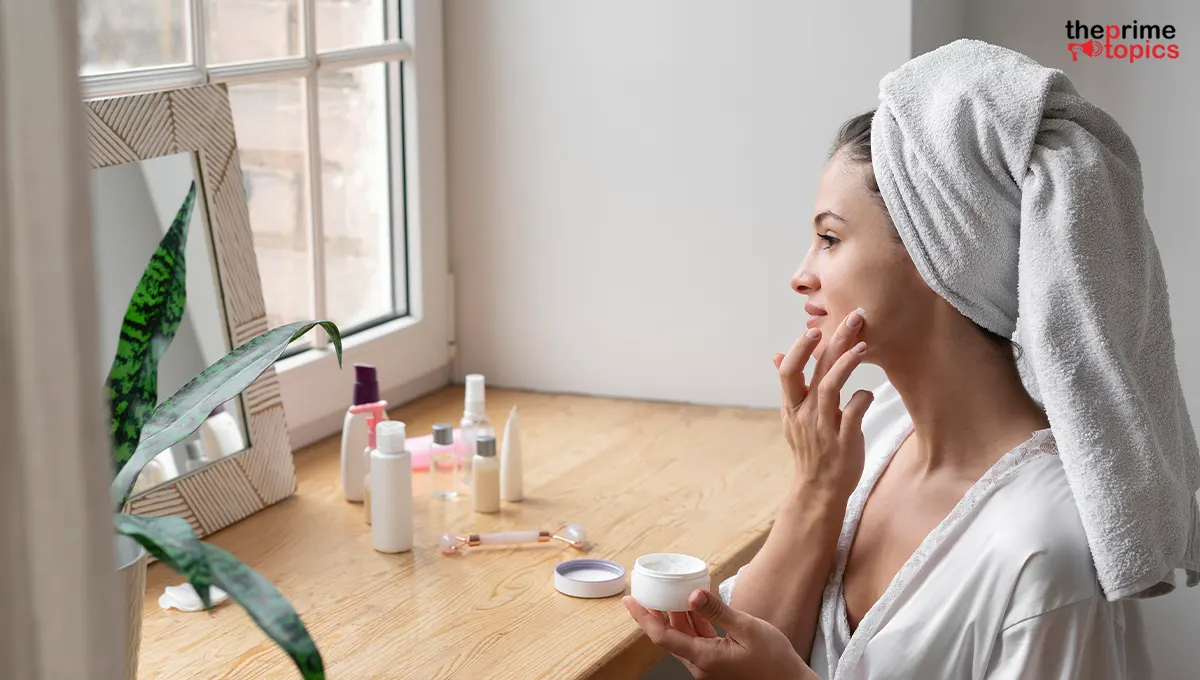
Winter Skincare Swaps for Dry Skin in 2026: A Simple Korean-Style Routine Without 10 Steps
Winter can be tough on your skin. Cold winds, low humidity and indoor heating can leave your face feeling tight, rough, flaky and uncomfortable. Even if your regular skincare products work perfectly during warmer months, they may not provide enough hydration when temperatures drop. The good news? You do not need a complicated 10-step routine to keep your skin soft, healthy-looking and moisturised.
Korean skincare offers plenty of practical ideas for maintaining hydrated skin, from gentle cleansing and lightweight hydrating layers to nourishing moisturisers. In 2026, a simpler approach is gaining attention among skincare enthusiasts who want effective results without overcrowding their shelves. A few thoughtful product swaps, consistent hydration and the right ingredients can make a noticeable difference throughout the colder months.
Quick Overview
- Replace harsh cleansers with gentle, hydrating formulas that do not strip natural skin oils.
- Switch lightweight summer lotions for richer creams containing ceramides, glycerin or hyaluronic acid.
- Follow a simple Korean-inspired routine with cleansing, hydration, moisturising and sunscreen.
- Use hydrating sheet masks occasionally to give dry skin an extra layer of moisture.
- Reduce excessive exfoliation and avoid introducing too many active ingredients during winter.
- Focus on maintaining your skin barrier instead of adding unnecessary skincare steps.
Why Does Your Skin Need a Different Routine in Winter?
Winter weather changes the way your skin retains moisture. Cold outdoor air and low humidity can increase water loss, while indoor heating can make the surrounding environment even drier. As a result, your skin may become rough, flaky, itchy or more sensitive than usual.
It recommends choosing richer moisturisers, gentle cleansers and fragrance-free products to help manage seasonal dryness

If your skin starts feeling tight after cleansing or your usual moisturiser no longer feels effective, it may be time to reconsider your product choices.
Understanding how to adjust skincare routine for winter starts with identifying what your skin needs rather than replacing every product in your bathroom. A heavier moisturiser, a gentler cleanser and fewer exfoliating treatments may be all you need.
5 Simple Korean-Style Skincare Swaps for Dry Skin
You can borrow the best parts of Korean beauty routines without following every step. These practical swaps help simplify your skincare routine while keeping hydration at the centre.
1. Swap Harsh Cleansers for Gentle Hydrating Cleansers
Cleansing is the first step, but using a formula that removes too much natural oil can leave dry skin feeling uncomfortable. Foaming cleansers with harsh ingredients may not be the best option when your skin is already struggling with winter dryness.
Instead, choose a gentle cream, lotion or low-foaming cleanser that removes dirt, sunscreen and excess oil without leaving your face feeling tight.
Ingredients worth looking for:
- Glycerin to attract moisture.
- Ceramides to support the skin barrier.
- Panthenol to help soothe and moisturise.
- Hyaluronic acid to help hydrate the skin.
A gentle cleanser in the evening and a simple water rinse in the morning may be sufficient for some people with dry skin.
2. Swap Lightweight Summer Lotions for Richer Moisturisers
One of the most useful changes you can make during colder months is choosing a moisturiser that offers longer-lasting hydration.
A lightweight summer lotion may feel comfortable in humid weather but might not provide enough moisture when the air becomes dry. This is where a winter moisturizer swap dry skin approach can help.
Look for cream-based formulas containing ceramides, shea butter, glycerin, squalane or hyaluronic acid. These ingredients help improve hydration and reduce moisture loss.
|
Summer Skincare Product |
Winter Skincare Swap |
Why Make the Change? |
|
Lightweight gel moisturiser |
Rich cream moisturiser |
Provides more lasting hydration |
|
Strong foaming cleanser |
Gentle cream cleanser |
Helps prevent excessive dryness |
|
Alcohol-heavy toner |
Hydrating toner |
Adds moisture without unnecessary stripping |
|
Frequent exfoliating serum |
Gentle, less frequent exfoliation |
Reduces the risk of irritation |
|
Lightweight lip balm |
Nourishing lip balm or petroleum jelly |
Helps protect against chapped lips |
Apply your moisturiser while your skin is slightly damp after cleansing. This helps trap existing moisture and keeps your skin feeling comfortable.
3. Swap Complicated Toner Layers for One Hydrating Toner
Korean skincare is known for its layering techniques, but you do not need several toners to achieve hydrated skin.
A single hydrating toner can be a useful addition if your skin feels dehydrated. Look for formulas containing glycerin, hyaluronic acid, panthenol or beta-glucan.
Apply a small amount with clean hands and gently pat it onto your face. Follow with a moisturiser to help reduce moisture loss.
If your skin is particularly sensitive, choose fragrance-free formulas and avoid toners with strong exfoliating ingredients.
4. Swap Daily Exfoliation for Occasional Gentle Exfoliation
Exfoliation can help remove dead skin cells, but doing it too frequently during winter may worsen dryness and irritation.
If your regular routine includes glycolic acid, salicylic acid or retinol, consider reducing their frequency if your skin becomes dry or sensitive. Avoid combining several strong active ingredients simply to achieve smoother-looking skin.
Instead, focus on hydration and barrier support. Once your skin feels comfortable again, you can gradually reintroduce suitable treatments based on your skin's tolerance.
Remember, flaky winter skin does not always need exfoliation. Sometimes, it simply needs more moisture.
5. Swap Occasional Hydration for a Consistent Sheet Mask Routine
Sheet masks are a popular part of Korean beauty routines because they provide a convenient way to add a hydrating layer to your skincare regimen.
For dry skin, choose sheet masks containing hyaluronic acid, glycerin, centella asiatica or panthenol. These ingredients can help improve temporary skin hydration and comfort.
However, more masking does not necessarily mean better results.
If you are wondering sheet masks how often should you use, starting with once or twice a week is a reasonable approach. Follow the product instructions, avoid leaving the mask on longer than recommended and apply moisturiser afterwards.
A Simple Korean Skincare Routine for Dry Skin in Winter
A Korean-inspired routine can be effective without requiring multiple serums, essences and treatments. The focus should be on keeping your skin clean, hydrated and protected.
Here is a practical morning and evening routine.
Morning Routine – 5 Simple Steps
Step 1: Gentle Cleansing
Start with a mild, hydrating cleanser to remove overnight oil and impurities. Choose a cream-based or low-foaming formula that does not leave your skin feeling tight. If your skin is extremely dry, rinsing with lukewarm water may be enough.
Step 2: Hydrating Toner
Apply a hydrating toner containing glycerin, hyaluronic acid or panthenol. Gently pat it onto your face to add moisture and prepare your skin for the next products.
Step 3: Hydrating Serum
Use a lightweight serum with hyaluronic acid, ceramides or beta-glucan. These ingredients help improve skin hydration and keep dryness under control throughout the day.
Step 4: Nourishing Moisturiser
Apply a cream-based moisturiser containing ceramides, squalane or shea butter. This helps support your skin barrier and reduce moisture loss during cold weather.
Step 5: Sunscreen
Finish with a broad-spectrum SPF 30 or higher. Apply it generously to your face and neck, even when the weather is cloudy. If you spend time outdoors, reapply as directed.
Evening Routine – 5 Simple Steps
Step 6: Remove Makeup and Sunscreen
Start with a gentle cleansing balm, oil cleanser or micellar water to remove makeup, sunscreen and accumulated impurities. Choose a formula that does not leave your skin feeling stripped.
Step 7: Gentle Face Wash
Follow with a mild, hydrating cleanser to remove any remaining residue. Avoid hot water and harsh scrubbing, as both can aggravate winter dryness.
Step 8: Hydrating Toner or Sheet Mask
Apply a hydrating toner or use a moisturising sheet mask containing ingredients such as glycerin, centella asiatica or hyaluronic acid. Sheet masks can be used once or twice a week rather than every evening.
Step 9: Nourishing Serum
Apply a hydrating serum with ceramides, panthenol or hyaluronic acid. This additional layer can help improve skin comfort and support moisture retention.
Step 10: Rich Moisturiser and Lip Care
Finish with a richer night cream to help reduce overnight moisture loss. Apply a nourishing lip balm or a thin layer of petroleum jelly to prevent chapped lips.
This simple korean skincare routine for beginners covers the essentials without making your daily skincare routine time-consuming.
Where to Find Korean Skincare Products for Winter
Finding suitable skincare products is easier when you know which ingredients and formulations to look for. Online beauty retailers offer a variety of Korean skincare options, making it convenient to compare different product categories.
YesStyle is one platform worth browsing for Korean beauty products, including hydrating toners, moisturisers, cleansers and sheet masks. You can compare product descriptions and ingredient lists to find options that match your skincare preferences.
Before purchasing, check the ingredients, skin-type recommendations and customer feedback. A product being popular in Korean beauty does not automatically mean it will suit every skin type.
You can also browse YesStyle for lightweight hydrating formulas and richer moisturisers that fit into a simplified winter routine.
When comparing products, prioritise fragrance-free options if your skin is sensitive and look for ingredients that support moisture retention.
Extra Winter Skincare Habits That Make a Difference
Apart from changing your products, a few everyday habits can help your skin feel more comfortable during colder months.
- Avoid hot showers: Use lukewarm water instead of very hot water to prevent excessive moisture loss.
- Stay hydrated: Drink enough water throughout the day to support your overall health.
- Use a humidifier: Adding moisture to indoor air may help reduce dryness caused by heating systems.
- Protect your lips and hands: Apply moisturiser regularly, especially after washing your hands.
- Do not overuse active ingredients: Give your skin time to recover if it feels irritated or unusually dry.
- Keep your routine consistent: Avoid changing several products at once, as this makes it harder to identify what works.
If your skin remains very itchy, cracked, painful or irritated despite these changes, consult a dermatologist. Persistent dryness may sometimes be linked to eczema or another skin condition.
Conclusion
Winter skincare does not have to involve expensive products or a complicated 10-step routine. A few smart swaps can make your daily regimen more comfortable and effective. Choose a gentle cleanser, replace lightweight summer lotions with a nourishing moisturiser, add a hydrating toner if needed and maintain daily sun protection.
The best part of a Korean-inspired approach is its focus on hydration and consistency. You can enjoy the benefits of korean skincare for dry skin winter without filling your shelf with unnecessary products. Start with what your skin needs, keep your routine simple and make adjustments gradually for healthier-looking, comfortable skin throughout winter.
Frequently Asked Questions
1. How should I adjust my skincare routine for winter?
Switch to a gentle cleanser, use a richer moisturiser, reduce excessive exfoliation and continue applying sunscreen daily. Add hydrating ingredients such as glycerin, ceramides and hyaluronic acid to help manage seasonal dryness.
2. What is the best Korean skincare routine for dry skin in winter?
A simple routine includes gentle cleansing, a hydrating toner, a nourishing moisturiser and sunscreen in the morning. At night, remove makeup and sunscreen, apply a hydrating layer and finish with a richer moisturiser.
3. How often should you use sheet masks during winter?
Once or twice a week is a practical starting point for most people. Choose hydrating masks and follow the recommended application time. Stop using a mask if it causes irritation.
4. Which moisturiser is best for dry skin during winter?
Cream-based moisturisers containing ceramides, glycerin, hyaluronic acid, shea butter or squalane are good options. They help improve hydration and support the skin barrier. Choose a formula suited to your skin type.
5. Can beginners follow Korean skincare without using 10 steps?
Absolutely! Beginners can start with just four essentials: a gentle cleanser, hydrating toner, moisturiser and sunscreen. Add a serum or sheet mask only if your skin needs additional hydration. A consistent routine is more useful than using too many products.