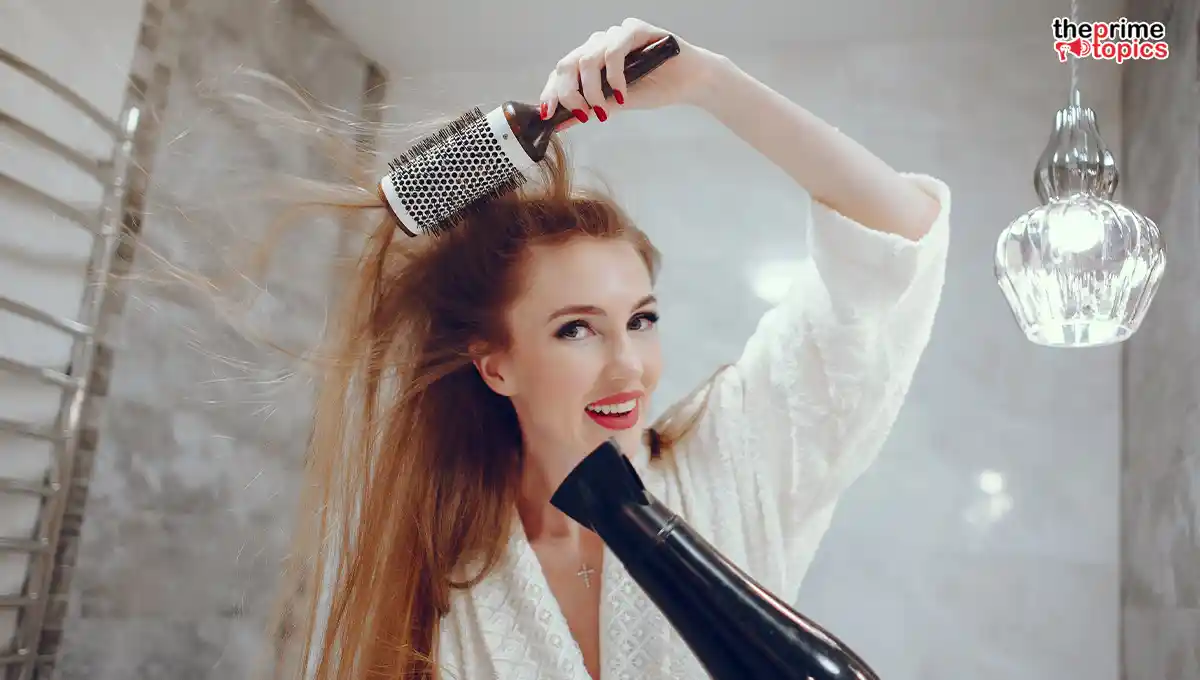
Hair Styling Tools: How to Choose the Right Ones for Sleek, Healthy Hair
Quick Overview
The best hair styling tools are the ones that match your hair type, not the ones with the most features. For most people, a ceramic or tourmaline hair straightener, an ionic hair dryer and a reliable pair of hair clippers cover almost every routine, with a facial epilator as an optional grooming extra. Retailers such as Debenhams stock all of these categories in one place, which makes it easy to compare options side by side. Below, you will find what each tool does, how to choose by hair type, and how to make your tools last.
In this guide: why quality matters, popular tools and benefits, choosing by hair type, a comparison table, maintenance tips and FAQs.
Why Quality Matters
A good tool protects your hair as well as styling it. Cheap tools often heat unevenly, which forces you to pass over the same section repeatedly and leads to dryness, breakage and frizz. Quality tools hold a steady temperature, distribute heat evenly and give you adjustable settings, so you get the same result with fewer passes.
What to look for in any heated tool:
- Adjustable temperature settings
- Ceramic, tourmaline or titanium plates (straighteners)
- Ionic technology and multiple speed settings (dryers)
- Automatic shut-off and a heat-resistant cord or mat for safety
- Clear manufacturer warranty
Hair clippers and epilators work differently, but the same rule applies: sharp blades, comfortable grip and reliable build quality give cleaner, safer results.
Popular Hair Styling Tools and Their Benefits
Hair Straighteners
Hair straighteners smooth the hair cuticle for a sleek, frizz-free finish. They suit both short and long hair and can also create waves or soft curls. Ceramic or tourmaline plates are the most common choice because they heat evenly.
Hair Dryers
A hair dryer speeds up drying and adds volume and shine. Ionic models reduce static and frizz, and multiple heat and speed settings let you adjust to your hair's needs.
Hair Clippers
Hair clippers are used for precise trimming and maintaining shorter styles at home. Look for sharp stainless steel blades, adjustable guards and an ergonomic grip.
Epilators for Facial Hair
An epilator removes facial hair from the root, so results typically last longer than shaving. Choose a model designed for the face and sensitive areas, and test on a small patch of skin first.
Styling Accessories
Brushes, combs and heat-resistant mats help you prepare and detangle hair and protect surfaces. They also reduce the need for extra passes with heated tools.
How to Choose Hair Styling Tools for Your Hair Type
The right tool depends on your hair texture, thickness and styling goals.
- Fine or thin hair: Use a straightener with lower heat settings (roughly 150 to 180°C) and a lightweight dryer to avoid damage.
- Thick or coarse hair: Choose a powerful dryer with high airflow and a straightener with wider ceramic plates for faster, more even results.
- Curly or frizzy hair: Pair an ionic dryer, ideally with a diffuser, with a smoothing straightener to keep shine and control frizz.
- Short hair or fades: A dependable set of hair clippers with adjustable guards gives you control between barber visits.
- Sensitive skin: Pick an epilator designed for facial use and check the skin-friendly features before buying.
Always use a heat protectant spray before applying heat, whatever your hair type.
Hair Styling Tools Comparison Table
|
Tool |
Key features to look for |
Best for |
|
Hair straighteners |
Ceramic or tourmaline plates, adjustable heat |
Sleek, smooth styles on most hair types |
|
Hair dryers |
Ionic technology, variable speed and heat |
Fast drying, volume and shine |
|
Hair clippers |
Sharp blades, adjustable guards, ergonomic grip |
Home grooming and precise trims |
|
Epilators for facial hair |
Gentle design, suitable for sensitive areas |
Smooth, longer-lasting facial hair removal |
|
Styling accessories |
Brushes, combs, heat-resistant mats |
Prep, detangling and heat safety |
How to Maintain Hair Styling Tools
Regular care keeps tools safe and performing well.
- Clean after use: Wipe straightener plates, clear dryer filters and nozzles, and brush hair and residue off clipper blades.
- Let tools cool fully: Never wrap cords around a hot tool or store it while warm.
- Store in a dry place: Moisture shortens the life of electrical components.
- Use a heat-resistant mat: It protects surfaces and prevents accidents.
- Replace worn parts: Swap out damaged brushes, clips, guards and blades.
- Follow the manufacturer's guide: This includes voltage, cleaning and oiling instructions, especially if you travel with your tools.
Conclusion
The right hair styling tools save time, protect hair health and give you consistent, salon-quality results at home. Start with a straightener and dryer suited to your hair type, add clippers or an epilator if they fit your routine, and look after each tool so it lasts. Whether you are comparing models on a retailer such as Debenhams or elsewhere, prioritise adjustable heat, quality materials and a solid warranty over extra features you will not use.
Frequently Asked Questions
- How do I choose the best hair styling tools for my hair?
Match the tool to your hair texture, length and goals. Fine hair needs lower heat and lightweight tools, thick hair benefits from powerful dryers and wider ceramic plates, and curly hair does well with ionic dryers and smoothing straighteners.
- Are hair straighteners safe to use every day?
They can be used regularly with care. Use adjustable heat settings, apply a heat protectant spray and avoid passing over the same section repeatedly. Give your hair rest days if it feels dry or brittle.
- What is the difference between an epilator and shaving for facial hair?
An epilator pulls hair out from the root, so smoothness usually lasts longer than shaving, which cuts hair at the surface. Epilating can feel more uncomfortable at first, so choose a face-specific model and test on a small area.
- What temperature should I set my hair straightener to?
Fine or damaged hair generally does best at lower temperatures, while thick or coarse hair can handle higher settings. Start low and increase only if needed.
- How often should I clean my hair styling tools?
Wipe straightener plates and clear dryer filters regularly, and clean clipper blades after every use to keep them performing safely.
- How do I make my hair styling tools last longer?
Clean them regularly, let them cool fully before storing, keep them dry and follow the manufacturer's care instructions.