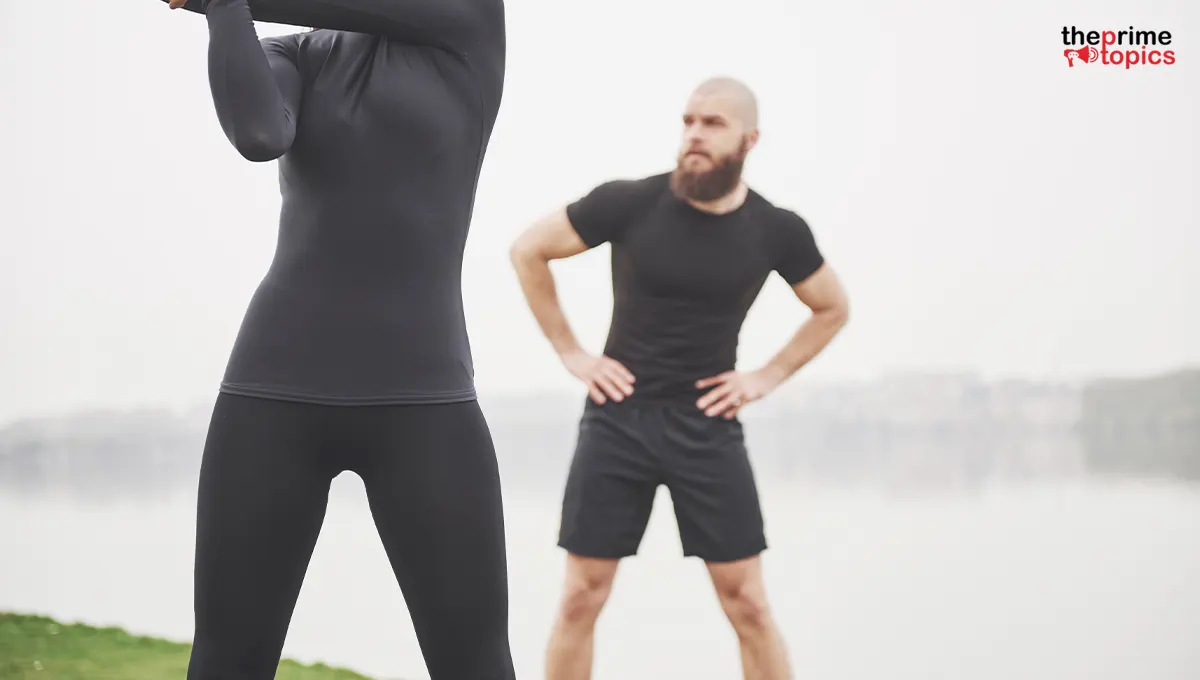
Do Compression Shirts and Leggings Actually Work in 2026 and Who Should Skip Them?
Compression shirts and leggings have become popular choices for workouts, running, gym sessions and everyday athletic wear. Designed to fit closely against the body, these garments apply gentle pressure to muscles and provide a supportive feel during movement. But do they actually improve performance, reduce muscle soreness or make exercise more comfortable? The answer depends on how you use them and what you expect them to do.
Before investing in compression gear, it is worth understanding its benefits, limitations and ideal fit. This guide explains how compression clothing works, who may benefit from wearing it, when to avoid it and how to choose the right size in 2026.
Quick Overview
- Compression clothing provides a close fit and applies pressure to selected body areas.
- It may offer comfort, muscle support and reduced muscle vibration during physical activity.
- Research does not consistently show better running speed, endurance or athletic performance.
- Proper sizing is essential to avoid excessive pressure and restricted movement.
- People with certain circulation, skin or medical conditions should seek medical advice before use.
- Compression wear is optional athletic clothing, not a replacement for training or medical treatment.
Why Compression Clothing Has Become Popular
Compression wear is designed with stretchable fabrics that fit closely around the body. Unlike loose workout clothing, these garments apply varying levels of pressure to specific muscle groups.
Athletes and fitness enthusiasts often wear compression shirts, leggings, shorts and sleeves during exercise or recovery. The snug fit can help reduce excessive fabric movement and provide a supported feeling while running, lifting weights or performing other activities.
Brands such as Under Armour offer compression clothing designed for training, sports and everyday workouts.
However, popularity does not automatically mean proven performance benefits. Understanding what compression clothing can and cannot do will help you decide whether it deserves a place in your workout wardrobe.
How Does Compression Clothing Work?
Compression garments use elastic materials, commonly blends of polyester, nylon and elastane, to apply pressure around selected body areas.
The pressure varies according to garment design, fabric construction and intended use. Athletic compression clothing is generally designed to provide a close, flexible fit without preventing normal movement.
Here are some ways it may help:
- Reduced muscle vibration: The close fit can limit soft-tissue movement during activities such as running.
- Body support: The snug material can provide a supported feeling around muscles.
- Moisture management: Many performance fabrics help move sweat away from the skin.
- Movement comfort: Stretchable construction allows the garment to move with your body.
- Recovery comfort: Some users find compression clothing comfortable after demanding workouts.
It is important to understand that athletic compression clothing does not automatically provide the same benefits as medically prescribed compression garments. Medical compression products are designed for specific conditions and may require professional fitting.
Do Compression Clothes Work? Understanding the Actual Benefits
The answer to do compression clothes work depends on the result you expect. They can offer practical comfort and support, but scientific evidence does not establish them as a reliable way to improve athletic performance.
It found no significant improvement in race times or time to exhaustion among people wearing compression garments. However, compression clothing did reduce soft-tissue vibration.
Here are some potential benefits worth understanding:
Better workout comfort: Some people prefer the close fit because it keeps clothing in place during running, cycling and gym sessions.
Reduced muscle vibration: Compression fabrics can limit soft-tissue movement, which may make certain activities feel more comfortable.
Possible soreness relief: Some research suggests compression garments may help with post-exercise soreness, but findings remain inconsistent and the evidence is limited.
Sweat management: Moisture-wicking materials can help manage perspiration and keep the skin feeling more comfortable during exercise.
Compression clothing should not be expected to increase strength, burn body fat, build muscle or guarantee faster recovery. Regular exercise, proper nutrition, hydration and sufficient rest remain more important.
Compression Shirt vs Regular Shirt: Which One Should You Choose?
Both compression shirts and regular workout shirts serve different purposes. Your choice should depend on your activity, comfort preferences and the type of fit you prefer.
A compression shirt sits close to the skin, while a regular athletic shirt generally provides more room for movement and airflow.
|
Feature |
Compression Shirt |
Regular Shirt |
|
Fit |
Tight, second-skin fit |
Relaxed or regular fit |
|
Fabric |
Stretchable synthetic blends |
Cotton or performance fabrics |
|
Muscle support |
Provides a supported feel |
Minimal compression |
|
Movement |
Flexible, body-hugging design |
More room around the body |
|
Sweat management |
Often moisture-wicking |
Depends on fabric |
|
Best for |
Training, running and sports |
Everyday workouts and casual wear |
Which should you choose?
Choose compression shirts if you prefer a close fit that stays in place during intense movement. Regular shirts may be more comfortable if you dislike tight clothing or prefer extra airflow.
Neither option is automatically better for athletic performance. Comfort and suitability for your activity should guide your decision.
How Tight Should Compression Leggings Be?
Compression leggings should fit snugly around your waist, hips, thighs and calves without restricting normal movement. They should feel supportive rather than uncomfortable.
If you are wondering how tight should compression leggings be, the simplest answer is that they should stay in place without digging into your skin or creating excessive pressure.
Check these signs when trying a pair:
- Waistband: It should stay in place without rolling down or pressing painfully against your stomach.
- Thighs and calves: The fabric should feel evenly fitted without creating painful pressure points.
- Knees: You should be able to bend, squat and stretch comfortably.
- Movement: Walking, running and sitting should feel natural.
- Skin comfort: The material should not cause excessive rubbing, irritation or numbness.
Avoid leggings that leave painful marks, cause tingling or make your legs feel uncomfortable. Going one size smaller does not automatically provide better compression.
When to Wear Compression Gear During Your Routine
Compression clothing can be worn during different types of physical activities, depending on your preferences and the garment's design.

Understanding when to wear compression gear can help you choose suitable clothing for your training schedule.
During gym workouts: Compression shirts and leggings can provide a close fit during weightlifting, squats and strength-training exercises.
While running: Lightweight compression clothing can reduce fabric movement and provide a comfortable fit during longer running sessions.
For cycling: Stretchable compression leggings or shorts can offer a streamlined fit and reduce clothing movement while riding.
During sports: Activities such as football, basketball and tennis involve frequent movement. Compression clothing can help keep the fabric close to the body.
After exercise: Some people prefer compression garments during recovery because they feel comfortable and supportive. However, research does not establish consistent improvements in muscle recovery or strength restoration.
You do not need to wear compression clothing throughout the day. Use it when it feels comfortable and suits your activity.
Who Should Skip Compression Shirts and Leggings?
Compression clothing is not suitable for everyone. Although regular athletic compression wear is generally designed for exercise, excessive pressure, poor sizing and certain medical conditions can create problems.
Consider avoiding compression clothing or seeking medical advice before using it if you fall into any of these categories:
- People with circulation problems: Those with significant peripheral arterial disease should consult a healthcare professional before using compression garments.
- People with reduced skin sensation: Those with peripheral neuropathy may not notice excessive pressure or skin damage.
- People with skin infections or open wounds: Tight fabric can irritate affected areas and create additional discomfort.
- People with sensitive skin: Certain synthetic materials and close-fitting seams may cause irritation or allergic reactions.
- People experiencing unexplained swelling: Sudden or unexplained swelling requires medical assessment rather than self-treatment with compression clothing.
- People with certain heart conditions: Those with serious or uncontrolled heart conditions should seek medical advice before using compression garments.
Medical guidance for compression therapy identifies advanced arterial disease, severe heart failure and significant skin or sensation problems as important safety considerations. These recommendations concern medical compression and should not be treated as a direct list of contraindications for every ordinary sportswear garment.
Important: Remove the garment if you experience pain, numbness, tingling, unusual skin discolouration or worsening discomfort. Do not use tighter clothing as a solution to swelling or circulation-related symptoms.
Follow a Compression Wear Sizing Guide Before Buying
Choosing the correct size is essential for getting a comfortable fit. Compression clothing is designed to sit closer to the body, but buying a smaller size than your measurements can lead to unnecessary discomfort.
Use this compression wear sizing guide when shopping online or in stores:
- Measure your chest: Use a measuring tape around the fullest part of your chest when selecting compression shirts.
- Check your waist: Measure around your natural waistline without pulling the tape too tightly.
- Measure your hips: Take measurements around the fullest part of your hips for leggings.
- Review the brand's chart: Sizing can vary between manufacturers, so always check the product-specific chart.
- Check the fit category: Look for terms such as compression, fitted and relaxed to understand how closely the garment will sit against your body.
For example, Under Armour describes its compression fit as an ultra-tight, second-skin fit, while its fitted clothing offers a slimmer cut with greater freedom of movement. Its official size guide also recommends checking body measurements before selecting a size.
Under Armour offers different performance apparel options, making it useful to compare fit categories before choosing a workout shirt or pair of leggings.
A Quick Comparison of Compression Clothing and Its Uses
|
Clothing type |
Common use |
Main consideration |
|
Compression shirts |
Gym training and sports |
Comfortable chest and shoulder fit |
|
Compression leggings |
Running and workouts |
Proper waist and leg measurements |
|
Compression shorts |
Cycling and training |
Flexibility around hips and thighs |
|
Compression sleeves |
Sports and exercise |
Avoid excessive pressure |
|
Compression tops |
Outdoor activities |
Breathable, stretchable fabric |
Practical Tips for Choosing Compression Clothing in 2026
Before purchasing compression shirts or leggings, keep these simple points in mind:
- Prioritise fabric quality: Look for breathable, moisture-wicking and stretchable materials.
- Check the activity: Choose clothing designed for your workout or sport.
- Avoid excessive tightness: Compression should not interfere with breathing, circulation or movement.
- Read product reviews: Customer feedback can provide useful information about sizing, comfort and fabric quality.
- Check stitching and seams: Flat seams and smooth finishes can help reduce friction during exercise.
- Follow washing instructions: Proper care helps maintain fabric elasticity and fit over time.
A good compression garment should support your workout routine without becoming a distraction. Under Armour is one brand worth comparing when evaluating athletic fit, fabric construction and performance clothing options.
The Bottom Line
Compression shirts and leggings can be useful additions to an active wardrobe, particularly for people who prefer a close-fitting, supportive feel during exercise. They may reduce soft-tissue vibration and improve workout comfort, but research does not establish consistent improvements in speed, strength or endurance.
Choose the right size, understand the fabric and consider your health needs before wearing compression gear. If tight clothing causes discomfort or you have an underlying circulation or skin condition, seek professional advice before using it.
Frequently Asked Questions
1. Do compression clothes work for everyday workouts?
Yes, compression clothing can provide a close, supportive fit and help manage sweat during everyday workouts. However, research does not consistently show improvements in strength, speed or exercise performance.
2. Are compression leggings better than regular leggings?
Compression leggings offer a tighter fit and a more supported feel, while regular leggings generally provide a less restrictive fit. The better choice depends on your activity, comfort preferences and desired level of support.
3. Can compression shirts help build muscle?
No. Compression shirts do not directly build muscle or increase muscle mass. Strength training, adequate protein intake, recovery and consistent exercise are more important for muscle development.
4. Is it safe to wear compression leggings all day?
Ordinary athletic compression leggings are generally intended for physical activity rather than continuous medical compression. Avoid wearing them if they cause pain, numbness, skin irritation or excessive pressure. People with relevant medical conditions should seek professional advice.
5. Should beginners wear compression clothing at the gym?
Yes, beginners can wear compression clothing if they find it comfortable. There is no special fitness experience required. Choose breathable material, follow the size chart and make sure the garment allows unrestricted movement.