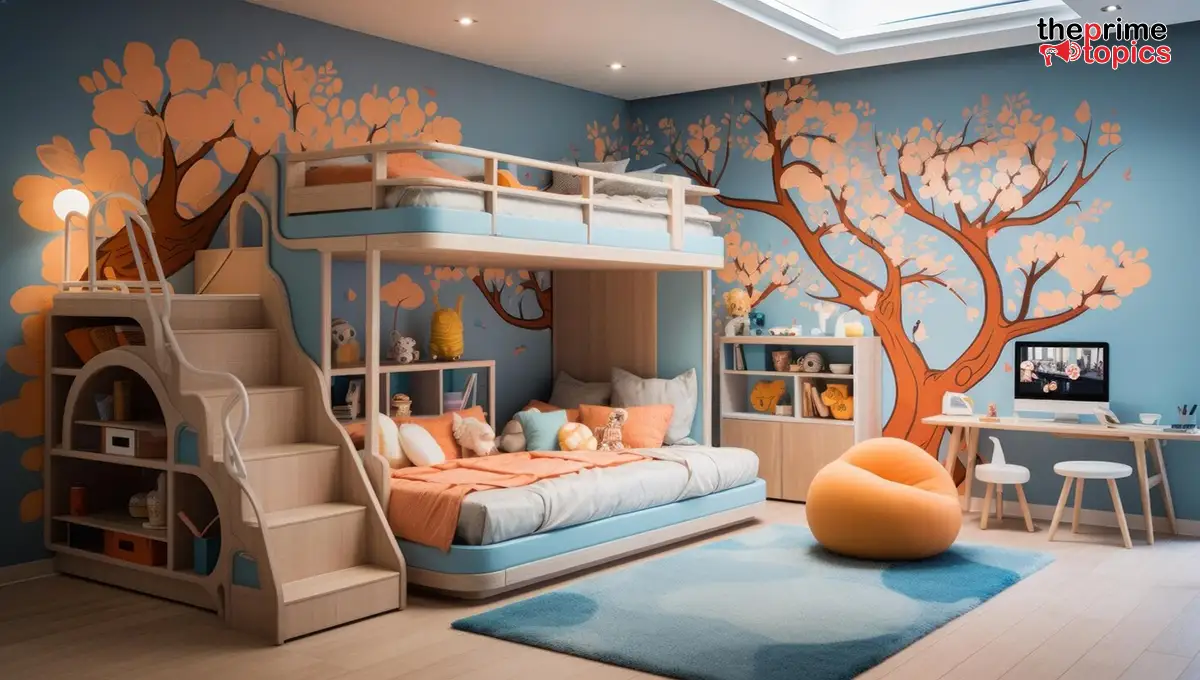
How to Design a Kids Bedroom That Grows With Them Without Starting Over
A child’s bedroom can change dramatically over the years. What works for a playful toddler may feel too young for a school-age child, while a room designed for a teenager can seem impractical for a younger child. The smartest approach is to create a flexible space with adaptable furniture, neutral foundations and decor that can evolve easily. With the right planning, you can build a room that supports changing interests, growing bodies, new routines and greater independence without requiring a complete makeover every few years.
Quick Overview
Designing a lasting kids’ bedroom starts with choosing flexible furniture and a practical layout. Neutral walls and versatile flooring create a foundation that works across different ages. Look for children's bedroom furniture that grows with them, such as adjustable beds and adaptable storage. Use removable accessories to introduce colours, characters and themes without permanent changes. Prioritise storage that can evolve as toys give way to books, clothes, hobbies and school supplies. The result is a comfortable, functional room that can change with your child without starting over.
Start With a Flexible Foundation
The easiest way to create a room that lasts is to keep the permanent elements simple. Walls, flooring, built-in storage, lighting fixtures and larger furniture pieces can be expensive or difficult to replace, so choose styles that will still work several years later.
Soft neutrals, muted pastels, warm wood tones and simple patterns can provide a versatile backdrop. Your child can then personalise the space with bedding, artwork, rugs, cushions and other accessories.
This is one of the most practical kids bedroom design ideas that grow with child, because the room can take on a completely different personality without changing its basic structure.
Choose Furniture With the Future in Mind
Furniture should be selected based on longevity rather than appearance alone. A toddler may need a compact bed and toy storage, while an older child needs a comfortable sleeping area, study space and more organised storage.
Look for adjustable desks, expandable beds, modular shelving and dressers with sufficient capacity. These pieces can adapt as your child’s needs change.
When searching for the best kids bedroom furniture sets usa, consider durability, safety, storage capacity, materials and how easily individual pieces can be reused or rearranged.
Furniture That Can Grow With Your Child
|
Furniture |
Early Years |
School Years |
Teen Years |
|
Bed |
Low or toddler-friendly setup |
Full-size sleeping space |
Larger bed with storage |
|
Desk |
Drawing and crafts |
Homework station |
Study and computer workspace |
|
Storage |
Toy bins |
Books and school supplies |
Clothes, hobbies and accessories |
|
Shelving |
Toys and picture books |
Books and collections |
Decor, study materials and keepsakes |
|
Seating |
Small chair or beanbag |
Reading chair |
Lounge or study seating |
Invest in Children's Bedroom Furniture That Grows With Them
Long-lasting furniture can reduce both costs and unnecessary waste. Instead of buying a new bed, desk or storage unit whenever your child reaches another stage, choose pieces designed to accommodate changing needs.
For example, an adjustable desk can begin as a creative activity station and eventually become a homework or computer desk. A modular shelving system can hold toys at age four, books at age eight and personal collections during the teenage years.
Quality matters, too. Look for sturdy construction, easy-to-clean surfaces, rounded edges where appropriate and finishes that can withstand everyday use.
Keep Themes in the Accessories
Children naturally change their interests. Dinosaurs may become superheroes, which may later become sports, music, art or minimalist design. A room built around one theme can quickly become outdated.
Instead, create the theme through removable elements. Bedding, wall art, cushions, lampshades, rugs and decorative objects can be switched without redesigning the entire room.
For example, a simple bedroom can be refreshed with colourful pieces inspired by Janie and Jack collections and coordinated with your child's changing style. Keeping the larger elements neutral makes these smaller updates much easier. These are practical timeless kids bedroom decor ideas because they allow personality without locking the room into one age or trend.
Create Storage That Changes With Their Needs
Storage requirements evolve constantly. Younger children may need space for toys, while older children accumulate books, clothing, sports equipment, electronics, school materials and hobbies.
Use a combination of open and closed storage. Open shelves make frequently used items easy to reach, while drawers, baskets and cabinets keep less attractive clutter hidden.
Adjustable shelving is especially useful because the height and arrangement can change over time. Labelled bins can also help younger children learn organisation, while removable dividers can later be used for accessories and smaller belongings.
Think vertically, too. Wall-mounted shelves, hooks, pegboards and tall cabinets can increase storage without taking up valuable floor space.
Design Zones Instead of Filling the Room
A flexible bedroom does not need to be packed with furniture. Instead, create clear zones for sleeping, studying, playing, dressing and relaxing. For younger children, the play area may be the priority. As they grow, that same space can become a reading corner, homework area, creative station or hobby zone.
Keep enough open floor space for movement and allow furniture to be rearranged. This makes the room feel adaptable rather than fixed. If you're wondering how to design a kids room that lasts, think about what can change rather than what needs to remain permanent. Flexible zones make future adjustments much easier.
Choose Colours That Can Evolve
Colour is one of the easiest ways to make a bedroom feel personal, but bold permanent choices can become difficult to live with.
Consider neutral walls paired with removable wallpaper, framed artwork, colourful bedding or accent accessories. If your child wants a new colour later, changing textiles and accessories can create a noticeable transformation without repainting the entire room.
You can also use colour strategically to define different areas. A soft accent behind the desk, colourful storage boxes or a patterned rug can add personality without overwhelming the room.
Make the Room Personal Without Making It Permanent
A child's room should feel like their own space. Encourage them to display artwork, photographs, favourite books, collections or small keepsakes.
Create a rotating display area using picture ledges, clipboards, magnetic boards or framed sections. This allows your child to update the room as their interests develop.
For clothing and styling inspiration, Janie and Jack can also provide ideas for creating a polished yet playful aesthetic that can complement the overall bedroom look. The goal is not to eliminate change. It is to make change easy.
Prioritise Comfort and Safety
A beautiful bedroom still needs to be practical and safe. Secure tall furniture to walls, keep pathways clear, choose age-appropriate furniture and avoid creating unnecessary climbing opportunities.
Lighting should also evolve. Younger children may benefit from soft night lighting, while older children need strong task lighting for reading and studying. Layered lighting allows the room to adapt without replacing every fixture.
Comfort matters just as much. Choose breathable bedding, supportive mattresses appropriate for the child's age and fabrics that are easy to wash.
Plan for the Teenage Years Early
You do not need to design a teenager's room for a toddler, but you can anticipate future needs. Leave room for a larger bed, a proper desk, more storage and increased privacy.
A simple foundation makes this transition easier. When the room already has quality furniture and a flexible layout, you may only need to update textiles, lighting, artwork and accessories.
This approach is particularly useful when choosing kids bedroom design ideas that grow with child, because the bedroom can evolve gradually instead of undergoing expensive transformations.
Smart Design Is About Adaptability
The best children's bedrooms are not necessarily the most elaborate. They are the ones that can keep working as a child grows. Choose durable furniture, adaptable storage, neutral foundations, flexible layouts and easily replaceable decor. If your child loves a particular style, introduce it through pieces that can be changed later.
A polished look inspired by Janie and Jack can work especially well when paired with simple furniture and versatile accessories, giving the space personality without making it feel tied to one age.
Conclusion
Creating a bedroom that grows with your child is ultimately about making smart choices early. Invest in furniture that can serve multiple stages, build adaptable storage, keep permanent finishes versatile and let accessories carry the personality. With thoughtful planning, your child's room can evolve alongside them while avoiding the cost and hassle of starting over every few years.
FAQs
1. What furniture is best for a bedroom that grows with a child?
Adjustable desks, full-size beds, modular storage, flexible shelving and durable dressers are strong choices because they can serve changing needs over several years.
2. How can I make a kids bedroom look less childish as they grow?
Use neutral permanent finishes and introduce age-specific personality through bedding, artwork, rugs, cushions, lighting and other removable accessories.
3. What are some kids bedroom design ideas that grow with child?
Flexible furniture, adaptable storage, neutral colours, open floor space, multifunctional zones and removable decor are among the most practical options.
4. How much should I spend on children's bedroom furniture?
Focus on durability and versatility rather than buying the most expensive pieces. Furniture that can serve multiple age groups may provide better long-term value.
5. Can a small kids' bedroom grow with the child?
Absolutely. Use vertical storage, multifunctional furniture, compact desks, under-bed storage and a flexible layout to maximise the available space.