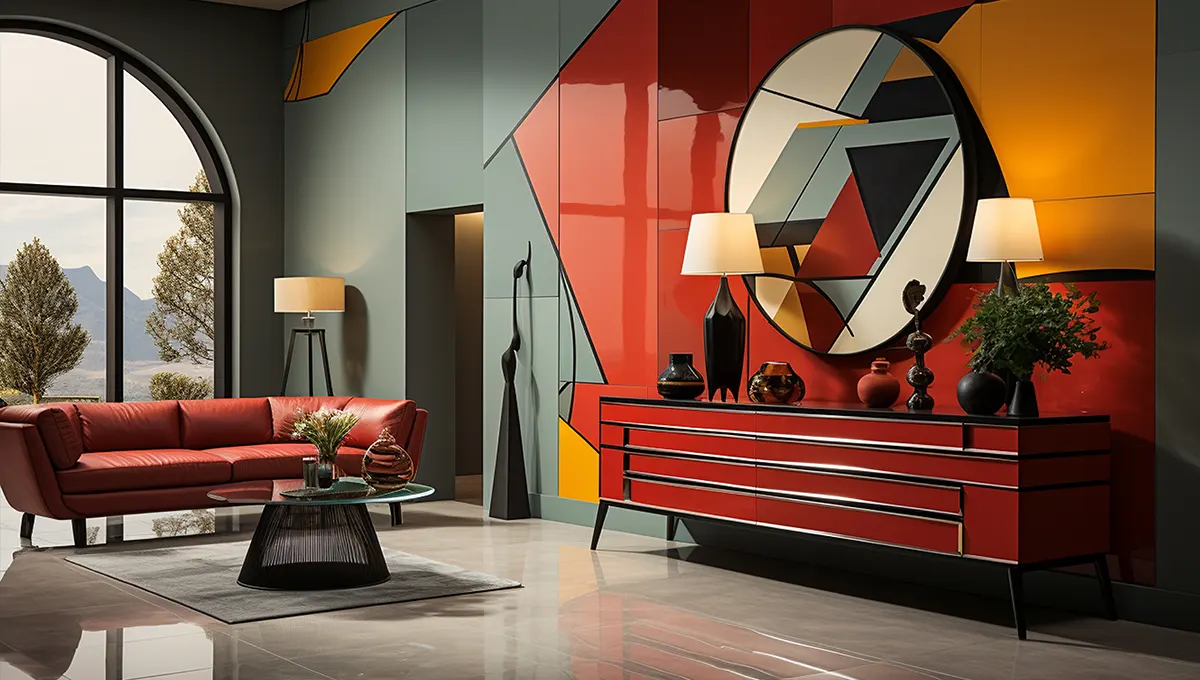
Interior Design Decorating Ideas for Every Space at Home Now
Introduction: Start With a Room That Works for You
A beautiful home does not happen because you bought the “right” sofa, copied a trending photo, or filled every empty corner with décor. The most successful interior design decorating ideas start with a simple question: How do you want this room to work and feel?
Whether you are refreshing one bedroom or rethinking your entire home, a few smart decisions can make a noticeable difference. Start with layout, then build with color, furniture, lighting, texture, and personal details. Design professionals consistently emphasize scale, proportion, and thoughtful planning because even attractive pieces can feel wrong when they do not work together.
Quick Overview
- Plan around how the room is actually used.
- Choose furniture based on scale, comfort, and function.
- Repeat a simple color palette for visual consistency.
- Layer ambient, task, and accent lighting.
- Add texture and personality without creating clutter.
- Use practical interior decorating ideas before chasing short-lived trends.
Start With Function Before You Start Decorating
The first step in successful interior design decorating ideas is understanding the room's purpose. A living room used for movie nights needs different choices than one mainly used for entertaining. A bedroom may need more storage, while a home office should prioritize comfort and usable lighting.
Before shopping, write down what you need the room to do. Then measure the space, doors, windows, and major walkways. A useful real-life trick is marking the footprint of large furniture on the floor with painter's tape before ordering. This can reveal whether a sofa technically fits but leaves the room feeling cramped.
This simple planning stage prevents one of the most expensive decorating mistakes: buying first and figuring out the layout later.
Build a Color Palette That Feels Connected
Good interior design ideas do not require every item to match. Instead, choose a small palette that can appear throughout the room.
A simple approach is:
- Pick a dominant color for larger surfaces.
- Add one or two supporting shades.
- Use neutrals to create breathing room.
- Repeat selected tones through pillows, rugs, artwork, or accessories.
For example, a neutral sofa can be connected to the rest of the room through similar tones in curtains, a rug, and artwork.
When choosing paint, test samples in the actual room because natural and artificial light can change how colors appear. For paint inspiration and color tools, Benjamin Moore provides useful resources for comparing options.
Choose Furniture for Scale, Not Just Style
One of the most practical interior design decorating ideas is to think about proportion before appearance. Designers frequently point to scale as a key reason why rooms either feel balanced or awkward. Furniture, rugs, lighting, and accessories should relate to the size of the room and to one another.
Avoid choosing an oversized sectional simply because you like its style. It may dominate a smaller room and block movement. On the other hand, tiny furniture can look disconnected in a large open area.
When arranging a room:
- Keep major walkways clear.
- Create seating around conversation or a focal point.
- Consider doors, windows, and everyday movement.
- Measure before purchasing large pieces.
For affordable furniture and storage inspiration, browse IKEA and compare dimensions carefully before buying.
Layer Lighting Instead of Relying on One Fixture
Lighting can completely change how a room feels. Strong interior decorating ideas usually combine more than one light source.
Think in three layers:
- Ambient lighting: Overall illumination
- Task lighting: Light for reading, working, or cooking
- Accent lighting: Light that highlights artwork, texture, or architectural features
Recent expert advice from designers also emphasizes combining lighting at different heights and using layered sources to create a more comfortable atmosphere.
A ceiling fixture alone may light the room, but a floor lamp beside a chair or a table lamp near a sofa can make it feel more welcoming and functional.
Add Texture and Décor Without Adding Clutter
This is where interior design decor ideas can bring personality into the space. Use a mix of materials such as wood, fabric, metal, glass, natural fibers, and plants to prevent a room from looking flat.
However, more décor does not always mean better design. Experts often recommend intentional styling, including negative space, variation in height, and a consistent color story rather than filling every surface.
Try styling one coffee table, bookshelf, or entry console at a time. Combine useful objects with personal pieces, then step back and remove anything that feels unnecessary.
For fresh inspiration and professional projects, Architectural Digest and Houzz can help you compare different styles and layouts.
Make Small Spaces Work Harder
Small rooms benefit from interior design decorating ideas that prioritize function. Choose pieces that offer storage or serve multiple purposes, keep pathways open, and use vertical space when possible.
Scale still matters in a compact room. The answer is not always buying miniature furniture; it is choosing fewer pieces that fit the room's proportions and purpose. Designers also use lighting, reflective surfaces, and carefully edited layouts to create a greater sense of openness.
A storage ottoman, wall-mounted shelf, or slim table can often solve a practical problem without making the room feel crowded.
For bedroom-specific inspiration, see our article on latest bed designs.
Add Personality Instead of Copying Every Trend
The best interior design ideas reflect the people living in the space. Trends can provide inspiration, but expensive purchases should still suit your lifestyle and long-term preferences.
Mix meaningful items with functional pieces. Books, artwork, vintage finds, photographs, and collected objects can make a room feel personal rather than staged.
A practical rule is to experiment with trends through smaller, easier-to-replace items while choosing durable, versatile designs for larger purchases.
If you are planning a bathroom refresh, you may also find our article on modern bathroom designs helpful.
Common Decorating Mistakes to Avoid
Even great interior design decorating ideas can fail when basic planning is ignored. Watch out for these common mistakes:
- Buying furniture without measuring.
- Using only one source of lighting.
- Choosing décor before planning the room.
- Overcrowding shelves and surfaces.
- Ignoring scale and proportion.
- Following a trend that does not suit your lifestyle.
- Forgetting storage and everyday functionality.
Current advice from design professionals also highlights the importance of considering how a room will actually be used instead of relying on a one-size-fits-all layout.
Frequently Asked Questions
How can I make my home look professionally designed?
Focus on a cohesive color palette, balanced furniture scale, layered lighting, and intentional décor. A room usually looks more polished when every major piece has a purpose.
What should I decorate first?
Start with the room's function and layout. Then choose a major anchor piece, such as a sofa, bed, rug, or dining table, and build around it.
How can I decorate on a budget?
Prioritize functional pieces first. Rearrange what you already own, update textiles, improve lighting, and add décor gradually instead of replacing everything at once.
Conclusion: Create a Home That Looks Good and Lives Well
The most effective interior design decorating ideas are not about following strict rules or recreating someone else's home. They are about making thoughtful choices that balance style, comfort, and everyday function. Start with how each room is used, measure before purchasing, choose a connected color palette, pay attention to scale, and layer your lighting and décor over time.
Remember, you do not need to redesign your entire home in one weekend. Start with one room and one problem you want to solve. Pick an idea from this article, put it into action, and gradually build a space that feels comfortable, functional, and genuinely yours.