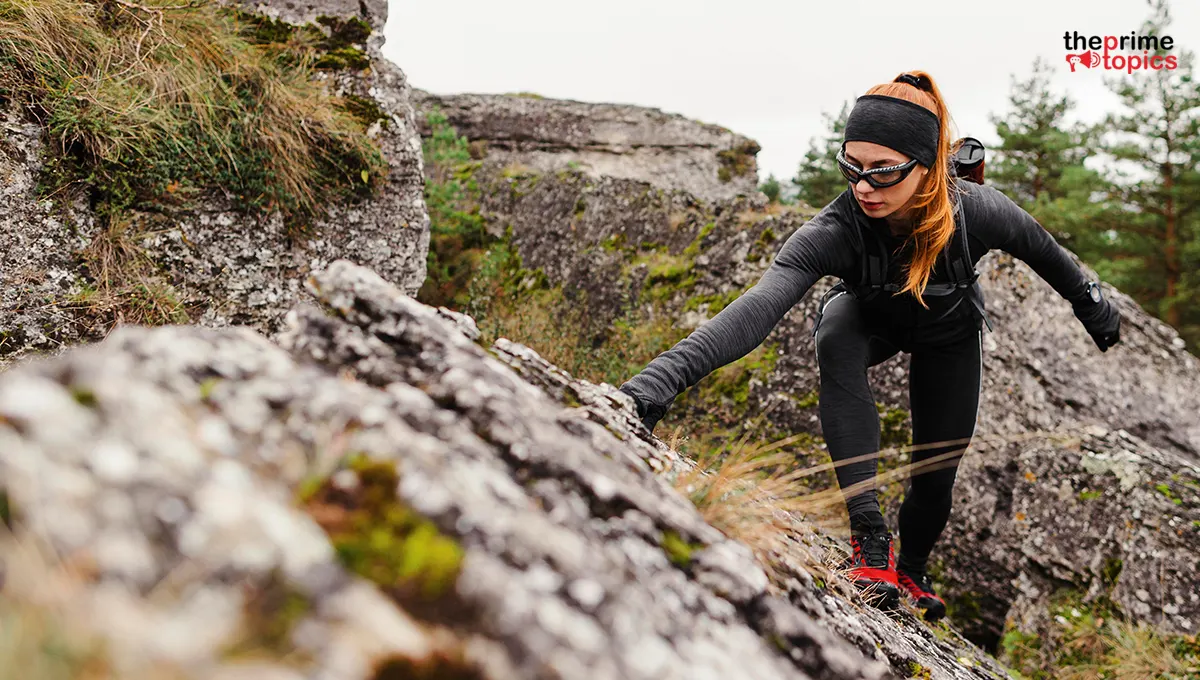
Trail Running Gear Worth Trying for Canadian Outdoor Enthusiasts
Stepping off the pavement and onto rugged trails can completely change the way you experience running. Uneven terrain, changing weather, and natural obstacles make every run exciting, but they also demand smarter preparation.
Choosing the right trail running gear helps improve comfort, confidence, and safety, whether you're tackling forest paths or mountain routes. You don't need a backpack full of expensive equipment to get started, but investing in the essentials makes a noticeable difference.
This article covers practical gear recommendations, smart buying tips, and common mistakes so you can enjoy every trail with confidence and make informed purchasing decisions.
Quick Overview:
|
What You'll Learn |
Why It Matters |
|
Essential trail running gear |
Stay comfortable and safe on different terrains |
|
How to choose the best trail running shoes |
Match footwear to trail conditions |
|
Must-have vs. optional equipment |
Spend wisely without overpacking |
|
Budget-friendly buying tips |
Build an affordable trail running gear setup |
|
Common beginner mistakes |
Avoid discomfort and unnecessary expenses |
Why Trail Running Requires Different Gear
Unlike road running, trails introduce loose rocks, mud, steep climbs, roots, and unpredictable weather. These conditions demand specialized trail running equipment designed to provide grip, stability, and protection. Standard running shoes may perform well on pavement but often lack the traction needed for uneven surfaces.
For example, a runner enjoying a short woodland trail faces different challenges than someone tackling an all-day mountain route. Both benefit from proper preparation, but the longer and more technical the trail becomes, the more important reliable gear is. Starting with the right equipment helps reduce injury risks while making every run more enjoyable.
Essential Trail Running Gear Every Beginner Needs
If you're new to trail running, focus on buying the essentials before considering premium accessories.
Start with the Best Trail-Running Shoes
The best trail running shoes feature aggressive tread patterns for grip, supportive midsoles, and durable toe protection. Choose shoes based on the terrain you'll run most often rather than simply picking the most expensive pair.
Wear Performance Clothing
Moisture-wicking shirts, shorts, and socks help regulate body temperature and reduce friction. Avoid cotton because it absorbs sweat and dries slowly.
Stay Hydrated
Carry a handheld bottle for shorter runs or a hydration vest for longer adventures. Proper hydration becomes even more important as trail distances increase.
Carry Basic Safety Essentials
Pack a charged phone, ID, whistle, lightweight first-aid supplies, and weather-appropriate layers. Many runners also appreciate browsing quality gear collections from Decathlon, where beginners can find practical options for different skill levels.
Choosing the Best Trail Running Shoes
Finding the best trail running shoes depends more on terrain than brand popularity.
|
Trail Type |
Recommended Features |
|
Rocky trails |
Rock plate and durable outsole |
|
Muddy trails |
Deep traction lugs |
|
Forest paths |
Moderate cushioning |
|
Mixed terrain |
Balanced grip and flexibility |
|
Long-distance trails |
Extra cushioning and stability |
No single shoe works perfectly for everyone. Consider fit, comfort, heel-to-toe drop, and toe protection before making your decision. Trying shoes later in the day, when feet naturally swell slightly, often results in a more accurate fit. Retailers like Decathlon also offer options across different price ranges, making it easier to compare features before buying.
Trail Running Equipment Worth Adding Later
Once you've gained experience, gradually expand your trail running equipment.
Helpful upgrades include:
- Lightweight hydration vest
- Running gaiters
- GPS watch
- Trekking poles
- Packable rain jacket
- Emergency blanket
These items become especially useful for longer distances or technical trails but aren't mandatory for beginners. Buying gear gradually allows you to understand your actual needs instead of purchasing equipment that may rarely be used.
Affordable Trail Running Gear Tips
Building affordable trail running gear doesn't mean sacrificing quality.
Prioritize spending on shoes first, then gradually add clothing and accessories. Shop seasonal sales, compare product features instead of marketing claims, and invest in versatile items suitable for multiple seasons. Experienced runners often build their gear collection over several years instead of buying everything at once.
Stores like Decathlon can be a practical starting point for runners seeking dependable equipment while staying within budget.
Common Beginner Mistakes
Many beginners wear road shoes on technical trails, underestimate hydration needs, or carry unnecessary equipment.
Another common mistake is purchasing premium gear before understanding personal preferences. Start simple, learn from each run, and upgrade your setup based on real experience rather than trends.
Conclusion
The right trail running gear helps you run farther, safer, and more comfortably without overcomplicating your adventure. Begin with quality footwear, moisture-managing clothing, hydration, and a few essential safety items.
As your confidence grows, you can expand your kit with additional accessories that suit your favorite trails and running goals. Remember, the most expensive equipment isn't always the best choice. The right gear is the one that matches your needs.
Ready to hit the trails? Build your running kit thoughtfully, stay prepared for changing conditions, and enjoy every outdoor adventure with greater confidence from your very first step.