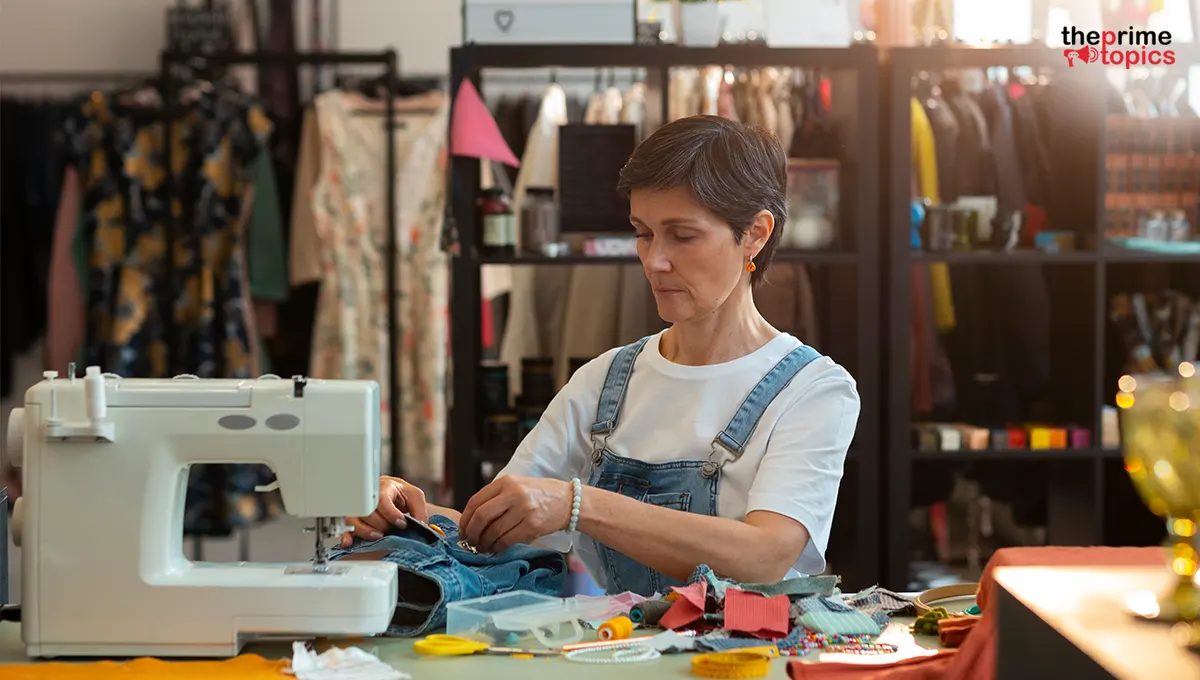
Beginner Sewing Supplies Worth Buying First in 2026 (And What to Skip)
Starting to sew can make a simple shopping list feel complicated. Shops offer everything from basic needles to rotary cutters, specialty feet and large kits. But a beginner does not need a fully equipped sewing room to make a tote bag, cushion cover or simple garment. A few reliable tools, suitable fabric and regular practice are enough.
The smartest sewing starter kit essentials are items used on almost every project: fabric scissors, measuring tools, pins or clips, a seam ripper, needles, thread, a marking tool and an iron. Buy the basics first and add specialist supplies as your projects become more ambitious.
The easiest way to build your first sewing kit
A useful beginner kit covers measuring, marking, cutting, holding fabric, stitching and pressing. Choose comfortable tools and check what came with your sewing machine before buying extra bobbins, feet or needles.
Buy one good pair of fabric shears and keep them for fabric only. Choose a flexible tape measure, pins or clips, a seam ripper and a removable marking tool. Keep suitable hand and machine needles, plus all-purpose thread in a couple of useful colours. Use an iron and a firm pressing surface to set seams neatly. Begin with medium-weight woven cotton, then add specialist tools when a project calls for them.
Which sewing supplies are worth buying first?
These sewing starter kit essentials cover most beginner projects without filling a storage box with duplicates.
1. Fabric scissors
Sharp fabric shears make cleaner cuts. Choose a comfortable pair and keep it away from paper and cardboard, which can dull the blades. Small thread snips are handy, but regular scissors can trim threads at first.
2. Measuring tools
A flexible tape measure works for body measurements and curves. Add a clear ruler or seam gauge for hems and seam allowances. One easy-to-read ruler is enough.
3. Pins or fabric clips
Pins hold layers together before stitching; clips can help with thicker fabric or materials that may show pin marks. Start with a small pack and a pincushion or case.
4. Seam ripper
A seam ripper removes stitches without pulling the fabric or cutting into the seam. Choose one with a comfortable grip and protective cap. It is inexpensive and useful on almost every project.
5. Needles and all-purpose thread
Keep a small assortment of hand-sewing needles. For machine sewing, match the needle to the fabric and machine. A universal needle works for many woven fabrics; knits and heavier materials may need another type. Check the manual before buying replacements.
Start with good-quality all-purpose thread in a neutral shade, such as white, black or a colour close to your first fabric. A large multi-colour set can wait. Replace a bent or damaged machine needle instead of trying to sew with it.
6. Marking tool and pressing setup
Tailor's chalk or a removable marker transfers pattern marks and seam lines. Test it on a scrap first. An iron and ironing board or firm pressing mat are useful too; pressing seams as you work keeps pieces flat and neat.
It identifies pins, a pincushion, sharp shears, a tape measure, a seam ripper and a storage container as basic supplies. It places other tools in optional or advanced categories, reinforcing a sensible approach: cover the basics, then build around the projects you make.
What fabric to start sewing with as a beginner?
The best beginner sewing fabric is usually stable, medium-weight woven cotton, such as quilting cotton or cotton poplin. It is easier to cut, pin and guide under a sewing machine than slippery or stretchy materials. It also holds its shape while you practise straight seams, corners and hems. Cotton-polyester woven blends can work well too.

When choosing what fabric to start sewing with, match it to your first project. A tote bag, cushion cover or table runner is easier to practise on than a fitted garment with curves, closures and complicated seams. Choose a solid colour or all-over print; stripes and plaids may require careful matching.
Mood's beginner sewing advice recommends starting with manageable cotton, practising on scraps and pre-shrinking fabric before cutting. Wash and dry the material as you plan to care for the finished item, then press it before laying out the pattern. This helps limit surprises from shrinkage after the project is complete.
A beginner-friendly fabric and supply checklist
Use this table as a quick shopping guide. The right choice still depends on the pattern, fabric weight and sewing machine.
|
Item |
Buy first? |
Why it helps |
|
Medium-weight woven cotton |
Yes |
Stable and manageable for practice |
|
Fabric shears |
Yes |
Makes clean, controlled cuts |
|
Tape measure |
Yes |
Useful for body and project measurements |
|
Pins or clips |
Yes |
Holds fabric layers before stitching |
|
Seam ripper |
Yes |
Removes mistakes carefully |
|
Compatible machine needles |
Yes |
Helps suit the needle to the fabric |
|
All-purpose thread |
Yes |
Works for many early sewing tasks |
|
Chalk or removable marker |
Yes |
Transfers pattern and seam markings |
|
Rotary cutter and mat |
Later |
Useful for quilting and repeated cuts |
|
Pinking shears |
Later |
Finishes selected raw edges |
|
Specialty presser feet |
Later |
Needed for specific techniques |
|
Serger or dress form |
Skip for now |
Not necessary for basic practice |
Which sewing notions for beginners are useful?
The most useful sewing notions for beginners are small items that support a specific project: pins, clips, hand needles, thread, buttons, basic elastic or a closure listed in the pattern. Avoid buying every zipper length, button style, trim, snap or decorative detail in advance. Choose those items after selecting a design and checking its requirements.
Mood's guide to beginner tools and notions also covers shears, thread, pins and clips, needles, rulers and marking tools. Use it as a reference for what each item does, then build a smaller kit around the projects you plan to sew.
Beginner sewing supplies to skip until you need them
Some equipment is designed for speed, specialist finishes or frequent sewing rather than a first project. These beginner sewing supplies to skip at the beginning include:
- Rotary cutter and cutting mat: Useful for quilting and repeated shapes, but fabric shears are enough for simple projects.
- Pinking shears: They create zigzag edges, but are not needed for every seam finish.
- Large thread sets: Buy colours to match your fabric instead of paying for shades you may not use.
- Specialty presser feet: Zipper, walking and gathering feet have specific jobs. Check machine compatibility and buy one when a project needs it.
- Serger or overlocker: It finishes seams quickly, but is not required for basic sewing on a regular machine.
- Dress form and advanced pressing tools: These help with fitting and specialist garment work, but are unnecessary for simple accessories.
- Decorative notions in bulk: Beads, trims and specialty fasteners are easier to choose after you have a design.
These tools solve problems you may not have yet. Add them when a pattern or repeated task gives you a clear reason.
A simple way to shop for your first sewing project
Choose a beginner-friendly project and use its instructions as your shopping list. This keeps the first purchase focused.
- Pick a simple project. A tote bag, cushion cover, napkins or a basic apron lets you practise straight seams and neat edges.
- Read the pattern requirements. Check fabric type, yardage, thread, closures and tools before shopping.
- Check your machine accessories. Review included bobbins, needles and presser feet, then use the manual to find compatible replacements.
- Buy a small amount of practice fabric. Use stable woven cotton and keep scraps for testing stitches, tension and markings.
- Add tools gradually. After the project, note what slowed you down and buy only the tool that would solve that problem.
Mood offers sewing supplies and learning resources, including guidance for different skill levels. Check the fabric description and pattern recommendations before ordering so the material suits the project you have selected.
The bottom line
A first sewing kit should be practical, not packed with every tool available. Start with fabric shears, a tape measure, pins or clips, a seam ripper, suitable needles, thread, a marking tool and an iron. Pair them with manageable woven cotton and a simple project. Skip specialist equipment until you know what you enjoy sewing and what your projects require. Spend on tools you will use often, and leave room in the budget for fabric and practice.
Frequently asked questions
1. What supplies does a beginner need for sewing?
Start with fabric scissors, a tape measure, pins or clips, a seam ripper, suitable hand or machine needles, all-purpose thread, a marking tool and an iron. Check which machine accessories are already included.
2. What is the easiest fabric for a beginner to sew?
Medium-weight woven cotton, including quilting cotton and cotton poplin, is a reliable first choice. It has little stretch, stays manageable while cutting and stitching, and is easier to press than many slippery fabrics.
3. Do beginners need a sewing machine?
No. You can learn basic stitches and small repairs by hand. A machine makes seams faster and helps with larger projects, but it is not essential for learning the fundamentals.
4. Should I buy a complete sewing kit or individual supplies?
A kit is convenient, but check its contents. Some bundles duplicate tools you own or include accessories that do not suit your machine. Buying essentials individually lets you choose what you need.
5. What sewing tools can wait until later?
Rotary cutters, cutting mats, pinking shears, specialty presser feet, sergers, dress forms and large collections of decorative notions can wait. Add them when a project or technique makes them useful.