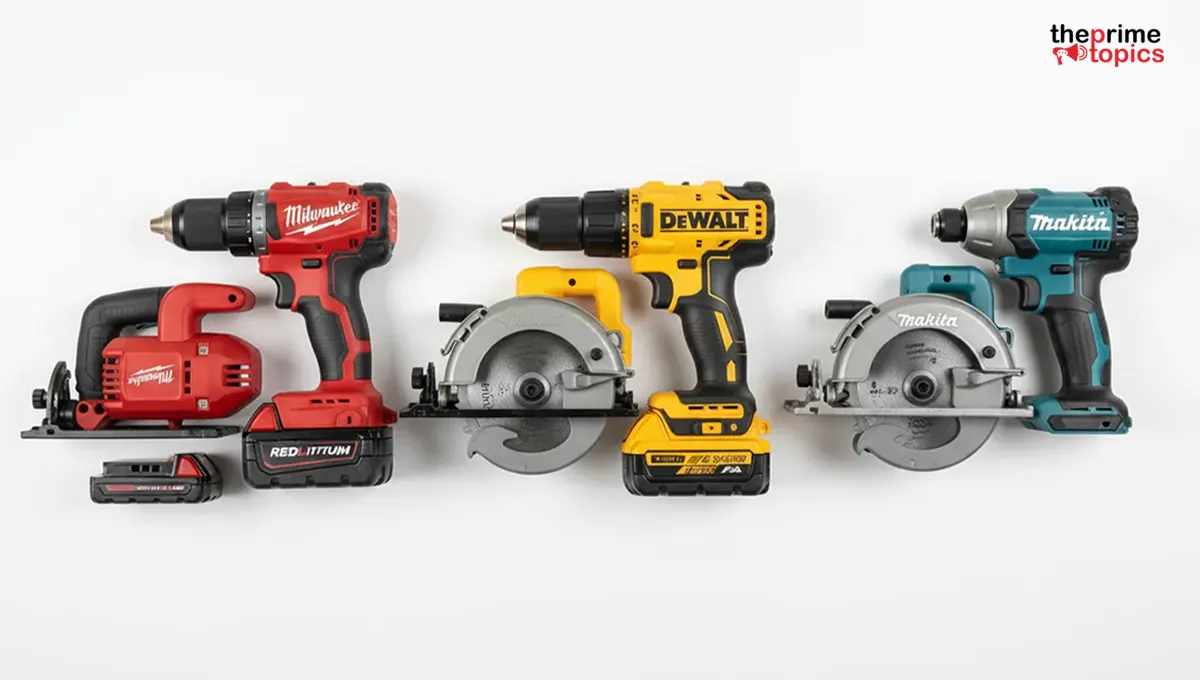
Milwaukee vs Dewalt vs Makita: Best Cordless Power Tool Brand for Home Workshop
Choosing the right cordless power tool brand can make every home improvement project easier, faster, and more enjoyable. Whether you are building shelves, assembling furniture, repairing a deck, or setting up a dedicated DIY workspace, Milwaukee, DeWalt, and Makita offer dependable options for different needs. However, the real difference lies in battery compatibility, tool selection, ergonomics, performance, and long-term value. This guide to milwaukee vs dewalt vs makita breaks down what homeowners should know before investing in a cordless tool platform, helping you choose the right brand for your workshop, projects, and budget.
Quick Overview
Milwaukee is a strong choice for homeowners who want specialized tools, powerful performance, and room to expand their collection. DeWalt appeals to DIY enthusiasts who need versatile tools for repairs, woodworking, and general construction projects. Makita stands out for its focus on ergonomics, balanced tool designs, and an extensive cordless ecosystem. All three brands offer capable drills, impact drivers, saws, and other workshop essentials. The best choice depends on the jobs you handle most often, the batteries you already own, and how much you plan to invest in your workshop over time.
Milwaukee vs DeWalt vs Makita: What Sets Them Apart?
Each brand has its own strengths, so there is no single winner for every home workshop. Understanding their core advantages makes it easier to narrow down your options.
1. Milwaukee: Best for Specialized Tools and Heavy-Duty DIY
Milwaukee is known for its M12 and M18 cordless platforms, which cover compact tools, everyday repairs, and demanding applications. The M12 system is particularly useful for tight spaces and lighter tasks, while M18 offers a broader range of full-size tools for woodworking, renovation, and outdoor projects.
Why homeowners may choose Milwaukee:
- Strong selection of specialized cordless tools.
- Compact options for confined workspaces.
- Multiple tool categories that share compatible batteries within their respective platforms.
- Suitable options for frequent DIY projects and demanding home repairs.
Potential drawback: Premium kits and specialized tools can require a larger initial investment. Homeowners who only need a drill and a few basic accessories may not use enough of the ecosystem to justify the extra expense.
Milwaukee is worth considering if your workshop will gradually expand to include tools for plumbing repairs, automotive maintenance, woodworking, or more advanced renovations.
2. DeWalt: Best for All-Round Home Workshop Projects
DeWalt is a practical option for homeowners looking for a versatile cordless system. Its 20V MAX platform, known as 18V in many international markets, includes drills, impact drivers, circular saws, oscillating tools, sanders, and other equipment for common household projects.
Why homeowners may choose DeWalt:
- Broad range of tools for everyday DIY tasks.
- Useful options for woodworking, furniture assembly, and home renovation.
- A range of starter kits for building a cordless collection.
- Familiar, job-focused designs suitable for regular workshop use.
Potential drawback: The range of batteries, kits, and performance tiers can make choosing the right setup confusing. Higher-performance tools may also cost more than basic homeowner models.
For someone who wants one battery platform for repairs, shelving, garden projects, and occasional construction work, DeWalt is a strong all-round contender.
3. Makita: Best for Comfort and Controlled Handling
Makita is well regarded for its ergonomic designs and extensive LXT cordless lineup. Its 18V LXT platform includes tools for drilling, cutting, sanding, fastening, and other workshop applications. The XGT platform provides another option for users who need higher-performance equipment for demanding jobs.
Why homeowners may choose Makita:
- Comfortable handling for extended DIY sessions.
- Balanced designs across many tool categories.
- Extensive 18V LXT selection.
- Options for both everyday repairs and more demanding projects.
Potential drawback: Homeowners need to check platform compatibility carefully, particularly when comparing LXT and XGT tools. Batteries and chargers should not be assumed interchangeable between these separate systems.
Makita can be an excellent fit for people who value comfortable handling, precise control, and a cordless collection built around woodworking and regular home maintenance.
Milwaukee vs DeWalt vs Makita: Side-by-Side Comparison
Here is a practical comparison for U.S. homeowners setting up a cordless workshop.
|
Feature |
Milwaukee |
DeWalt |
Makita |
|
Main platform |
M18 |
20V MAX |
18V LXT |
|
Best suited for |
Specialized DIY and demanding repairs |
General home projects |
Woodworking and controlled handling |
|
Compact tool option |
M12 |
12V MAX |
12V CXT |
|
Tool selection |
Broad, with many specialty options |
Broad, with construction-focused options |
Extensive across woodworking and general power tools |
|
Key strength |
Specialized tool ecosystem |
All-round versatility |
Ergonomics and tool balance |
|
Main consideration |
Premium kit costs |
Choose the right tool tier |
Understand LXT and XGT differences |
Platform descriptions are general guidance, not a ranking of every individual tool. Check each model's specifications, battery requirements, and current kit contents before buying.
Which Cordless Power Tool Platform Should You Choose?
If you are wondering which cordless power tool platform to choose, start with the type of work you expect to do most often rather than choosing a brand based on popularity.

Choose Milwaukee if you want to expand into specialized projects
Milwaukee is a compelling option for frequent DIYers who plan to tackle complex repairs and add specialized equipment over time. Its separate M12 and M18 systems offer different tool sizes and capabilities, making it useful to consider which platform fits your intended projects.
Choose DeWalt for a versatile home workshop
DeWalt makes sense if your projects include furniture assembly, installing cabinets, building shelves, cutting lumber, and maintaining your home. Its broad 20V MAX range makes it a strong candidate for anyone seeking a practical balance of everyday usefulness and advanced capabilities.
Choose Makita if woodworking and comfort matter most
Makita deserves serious consideration if you spend long sessions sanding, drilling, cutting, or assembling woodworking projects. Try the actual tool in your hand whenever possible, since grip, balance, and weight can make a meaningful difference during repetitive work.
For many homeowners, the best cordless tool brand for homeowners is simply the one that offers the right combination of tools, comfortable handling, battery availability, and an affordable starter kit.
Dewalt vs Milwaukee Home Use: Which to Buy?
The question of dewalt vs milwaukee home use which to buy often comes down to how demanding your projects are and how much you want to expand your workshop.
Choose DeWalt if you want a versatile system for routine maintenance, DIY furniture, home renovations, and occasional construction tasks. It is a practical starting point for homeowners who want to cover several common jobs with one battery family.
Choose Milwaukee if you expect to invest in more specialized tools or regularly undertake demanding projects. Its M18 lineup is particularly worth considering if you want to build a workshop around full-size cordless equipment, while M12 can suit compact applications.
Neither brand automatically delivers better results for every job. A well-matched drill, suitable bit, and correct technique can matter more than the logo on the tool.
What Should You Check Before Buying?
Before committing to a cordless tool brand, consider these five factors:
- Battery compatibility: Batteries are not universally interchangeable across brands or even across separate product families. Confirm the exact platform before purchasing.
- Runtime: Battery capacity, tool efficiency, material, and workload all influence how long a tool runs between charges.
- Ergonomics: Weight, grip, balance, and tool length matter when working overhead or in tight spaces.
- Starter-kit value: Check whether a kit includes the batteries, charger, and accessories you actually need.
- Future tool requirements: List the next three or four tools you may buy. This helps you avoid investing in a platform that does not suit your long-term plans.
You can review available tool kits, individual tools, and accessories at Acme Tools to assess which setup aligns with your workshop needs and budget.
Which Brand Offers the Best Value for DIY Projects?
The best power tool brand for diy depends on how often you work, which tools you need, and whether you prioritize upfront savings or long-term flexibility.
For occasional repairs, a compact drill-and-driver kit may be sufficient. If you frequently build furniture, install fixtures, or work with lumber, a larger battery platform with compatible saws, sanders, and other tools may provide better long-term value.
Consider the complete cost of ownership, including batteries, chargers, replacement accessories, and additional tools. A lower-priced starter kit is not always the least expensive option if it lacks the equipment you will need later.
When shopping, Acme Tools is another place to review cordless tool options and kit configurations. Compare the included batteries, tool specifications, warranty terms, and final purchase price instead of relying solely on advertised discounts.
Final Verdict
In the milwaukee vs dewalt vs makita debate, all three brands can be excellent choices for a U.S. home workshop.
- Milwaukee: A strong fit for demanding DIY projects and specialized cordless tools.
- DeWalt: A versatile choice for homeowners handling a wide range of repairs and woodworking tasks.
- Makita: A compelling option for woodworking enthusiasts who value ergonomics and balanced tool designs.
There is no universal winner. Identify your most frequent projects, choose a compatible battery platform, and invest in the tools you will genuinely use. Before making your final decision, review the available kits and accessories at Acme Tools and select a system that fits both your current needs and future workshop plans.
Frequently Asked Questions
1. Which is better for home use: Milwaukee, DeWalt, or Makita?
All three are capable. DeWalt is a versatile option for general home maintenance, Milwaukee suits demanding DIY and specialized applications, and Makita is worth considering for woodworking and comfortable handling.
2. Is Milwaukee more powerful than DeWalt?
Not necessarily. Performance depends on the specific tool, motor, battery, and application. Compare equivalent models and their tested performance rather than assuming one brand is always more powerful.
3. Can Milwaukee, DeWalt, and Makita batteries be used interchangeably?
No, their standard battery systems are brand-specific. Milwaukee M12 and M18 are also separate platforms, while Makita LXT and XGT have different battery requirements. Always check the manufacturer's compatibility guidance.
4. What is the best cordless power tool brand for beginners?
DeWalt, Milwaukee, and Makita all offer beginner-friendly options. Start with a drill-and-driver kit that includes a battery and charger, then expand your collection according to your projects and budget.
5. Should homeowners buy a complete cordless tool kit or individual tools?
A starter kit is often convenient when you need your first drill, batteries, and charger. Buying individual tools can make sense when you already own compatible batteries or only need a specific tool. Compare the total cost and included accessories before deciding.