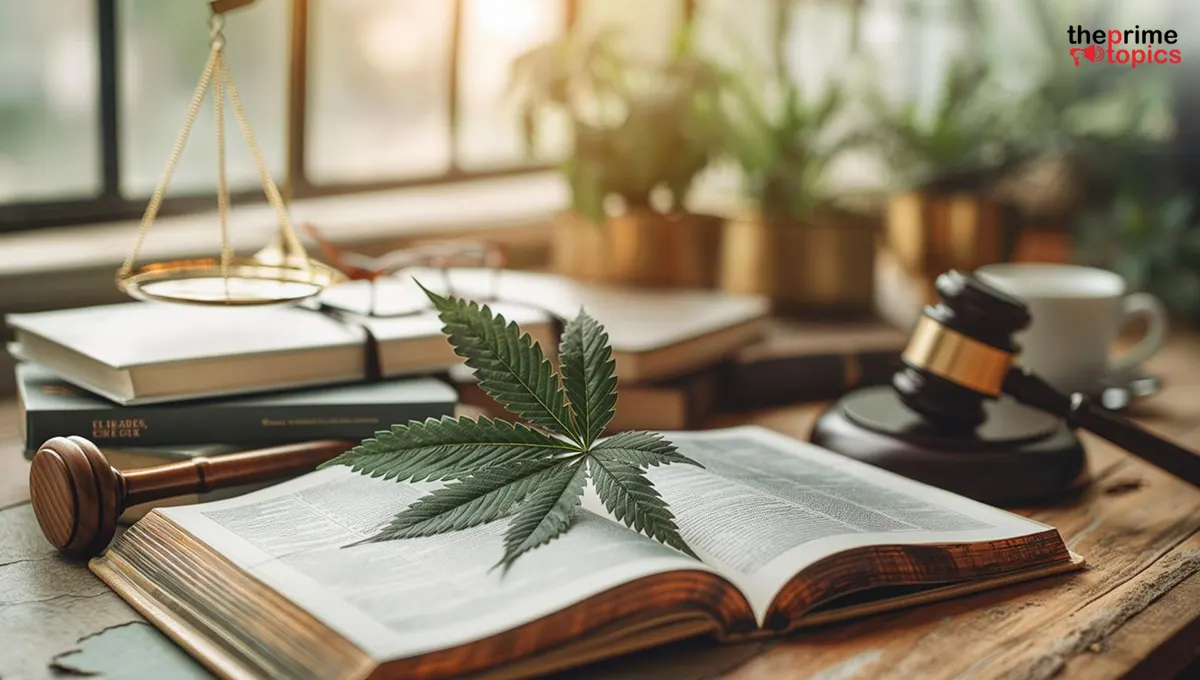
Is Hemp-Derived THC Legal in Your State: What You Need to Know Before You Buy
Hemp-derived THC products are now easier to find than ever. From gummies and beverages to vapes and other cannabinoid products, shoppers have plenty of options. But there is one important question to answer before making a purchase: is hemp derived thc legal where you live?
The answer is more complicated than simply checking whether a product says “hemp-derived.” Federal rules, state laws, the type of THC involved, product potency, and how the product is made can all affect its legal status. Some states permit certain hemp-derived THC products, while others have introduced restrictions or bans. Here’s what shoppers should know before buying.
Quick Overview
Hemp-derived THC laws vary by state, so a product sold legally in one location may be restricted elsewhere. Federal law has historically distinguished hemp from marijuana based on delta-9 THC concentration, but state rules can add stricter requirements. Product type, cannabinoid content, THC potency, age limits, labeling, and testing can all affect legality. Before buying, check your state’s latest regulations and review the product’s Certificate of Analysis. A few minutes of research can help you make a more informed and legally safer purchase.
What Exactly Is Hemp-Derived THC?
Hemp-derived THC refers to THC obtained from cannabis that meets the applicable definition of hemp. The most important federal benchmark under the 2018 Farm Bill was a delta-9 THC concentration of no more than 0.3% on a dry-weight basis. Qualifying hemp and its derivatives were removed from the federal definition of marijuana under the Controlled Substances Act.
That distinction helped create today's market for hemp-derived cannabinoid products. However, there is an important catch: federal hemp status is not the same thing as blanket approval for every consumer product.
The FDA states that it continues to regulate cannabis and cannabis-derived products that fall under its authority. In other words, a product cannot simply rely on the word “hemp” to avoid applicable federal requirements.
Hemp-Derived THC vs Marijuana: Why the Difference Matters
Understanding hemp derived thc vs marijuana begins with the legal definition rather than simply the plant's name.
Marijuana can contain considerably higher concentrations of THC, while hemp was federally defined around the 0.3% delta-9 THC threshold. The 2018 Farm Bill removed qualifying hemp from the federal Controlled Substances Act, creating a different federal legal treatment for hemp.
But states may use different definitions and impose additional restrictions. That means a product marketed as hemp-derived may still be prohibited, restricted, or subject to special requirements in your state.
Is Delta-9 THC Legal in the USA?
Searches for delta 9 thc legal usa can be misleading because there is no single state-level rule covering every hemp-derived delta-9 product.
Under the federal framework established by the 2018 Farm Bill, hemp was defined using the 0.3% delta-9 THC dry-weight threshold. But individual states can regulate cannabis and hemp products differently. The National Conference of State Legislatures maintains a state cannabis legislation database covering enacted cannabis policies across states and territories.
Some states allow certain hemp-derived intoxicating products, while others have introduced tighter rules around their sale, possession, formulation, or potency. So, don't assume that a product legally sold online is automatically legal for you to possess or purchase.
What About THCA?
THCA adds another layer to the legal discussion. THCA, or tetrahydrocannabinolic acid, is a cannabinoid naturally found in cannabis. It can convert into THC when exposed to heat. That's why products containing THCA can raise different questions from products containing only low levels of delta-9 THC.
If you've searched thca legal in my state, the safest approach is to check your state's current cannabis and hemp regulations rather than relying on a product description or an online retailer's shipping policy. State rules can specifically address THCA, total THC, intoxicating cannabinoids, or particular product categories.
Why State Laws Matter So Much
Federal law provides one layer of the legal picture. State law provides another. A state may impose rules involving:
- Maximum THC concentrations
- Total THC calculations
- Specific cannabinoid types
- Minimum purchase age
- Product testing
- Packaging and labeling
- Retail licensing
- Online sales
- Possession limits
- Restrictions on intoxicating hemp products
NCSL's cannabis legislation database is a useful starting point because it tracks enacted state cannabis legislation and includes a specific hemp/CBD category. The database was updated August 31, 2026.
|
Factor |
Why It Matters |
|
Federal hemp definition |
Establishes the federal baseline |
|
State law |
Can impose additional restrictions |
|
THC type |
Delta-9, THCA and other cannabinoids may be treated differently |
|
Product testing |
Helps verify the actual cannabinoid profile |
|
Age restrictions |
States may impose minimum purchase ages |
What to Check Before Buying Hemp-Derived THC
Before choosing a product from Mood US or another hemp brand, take a few minutes to check the details.
1. Check Your State's Current Rules
Start with your state's official government resources. Look specifically for rules covering hemp-derived THC and intoxicating cannabinoids rather than relying only on general cannabis legalization information.
2. Identify the Exact Cannabinoid
Look beyond the word “THC.” Check whether the product contains delta-9 THC, THCA, delta-8 THC, or other cannabinoids. Different cannabinoids can have different regulatory treatment.
3. Read the THC Amount Carefully
Look at both the concentration and the total amount per serving or package. A product's label can provide important information about its cannabinoid content, but independent testing provides another layer of verification.
4. Look for a Certificate of Analysis
A reputable hemp product should ideally have accessible third-party laboratory testing.
A Certificate of Analysis, commonly called a COA, can provide information about cannabinoid potency and may also show testing for contaminants or other quality indicators.
The FDA has published analytical information and warning letters involving cannabis-derived products, highlighting why accurate product characterization and labeling matter.
5. Check the Brand's Product Information
Look for transparent ingredient lists, batch information, testing documentation, manufacturer details, and clear dosage information. Mood US, like any other brand, should be evaluated based on the specific product's ingredients, testing, labeling, and the laws applicable where you live.
What About Federal FDA Rules?
One common misconception is that qualifying hemp automatically means every hemp-derived product has been approved by the FDA. That's not the case.
The FDA says it has not approved most cannabis-derived products currently available on the market. It has approved specific prescription products, including Epidiolex, but approval of one product from Mood US does not mean that other commercially available hemp or cannabis products have received FDA approval.
The FDA also retains authority over applicable foods, dietary supplements, drugs, cosmetics, and other regulated products containing cannabis-derived compounds. This distinction is important when evaluating product claims.
Is Hemp-Derived THC Legal? The Bottom Line
So, is hemp derived thc legal everywhere? No single answer covers every state or every hemp-derived THC product.

The federal 2018 Farm Bill established the foundation for hemp's separate legal treatment by defining hemp around the 0.3% delta-9 THC dry-weight threshold. But state governments can create additional restrictions, and the legal treatment of specific cannabinoids and products continues to evolve.
Before buying, check your state's current rules, identify the exact cannabinoid, review the THC concentration, and look for reliable third-party testing.
A few minutes of research can help you make a more informed purchase and avoid relying on outdated information or assumptions based solely on the word “hemp.”
FAQs
1. Is hemp-derived THC legal in every state?
No. States can impose restrictions that go beyond the federal hemp framework. Rules can vary based on cannabinoid type, THC concentration, product category, age, testing, and sales requirements. Check your state's current laws before purchasing.
2. Is delta-9 THC from hemp the same as marijuana-derived THC?
Chemically, delta-9 THC is the same cannabinoid regardless of its source. The key legal distinction has historically involved whether the cannabis or product meets the federal definition of hemp, including the 0.3% delta-9 THC dry-weight threshold. State laws may treat products differently.
3. Is THCA considered legal hemp?
It depends on the applicable federal and state rules and the specific product. THCA can convert to THC when heated, and some jurisdictions have adopted rules addressing THCA or other intoxicating cannabinoids separately. Always check your state's current regulations.
4. How can I tell if a hemp-derived THC product is trustworthy?
Look for clear cannabinoid information, accurate labeling, batch details, ingredient lists, and recent independent laboratory testing. A Certificate of Analysis can help you verify the reported cannabinoid profile.
5. Can I buy hemp-derived THC online if a website ships to my state?
Not necessarily. A retailer's ability or willingness to ship a product does not establish that possession or purchase is legal where you live. Check your state's current laws and the specific product's cannabinoid profile before ordering.