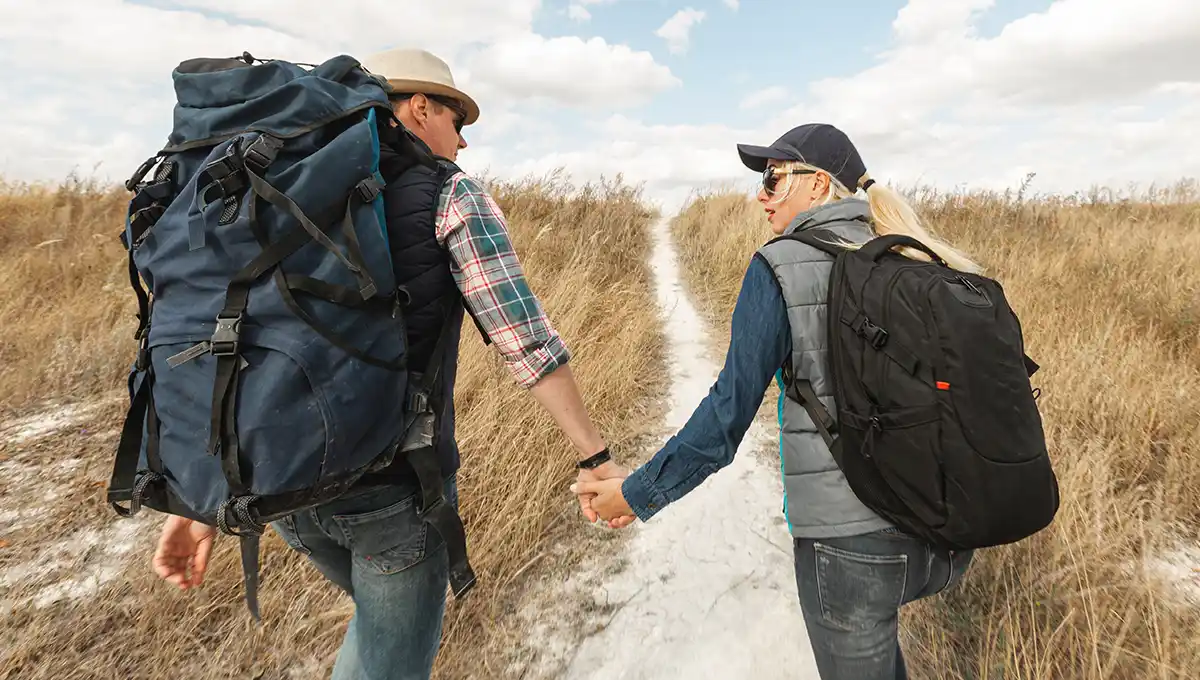
Hiking Backpacks for Comfort, Smart Packing, and Every Outdoor Adventure
The difference that a quality hiking backpack can make to an outdoor adventure is simply immense. A backpack that does not fit you well can make you feel exhausted and sore, while one that is designed well can make every step of your journey a pleasure.
Seasoned outdoor gear sellers such as Altitude Sports will tell you that the difference between a good and a great backpack lies not in its looks or size, but in its ability to provide comfort, balance, and organization.
Regardless of whether you are going out for a short hike or an extended adventure, your backpack essentially becomes your home away from home.
What Makes Hiking Backpacks Different
First impressions might lead one to believe that all backpacks are created equal, but hiking backpacks are made with motion, balance, and endurance in mind.
They are not like the bags you carry to and from school or work, where the weight is concentrated on your back and shoulders, pulling your spine down. Simply put, this alone can be the difference between tiring easily on a hike and not.
Another key difference is the durability of the bag. A true hiking bag will have reinforced stitching, water-resistant materials, and ergonomic straps that respond to body motion.
This, combined with back panels that have ventilation to prevent sweat buildup, makes for a much more pleasant hike. People seeking a lightweight hiking backpack are often seeking this combination of support and weight. It’s not just about carrying your gear, it’s about comfort, support, and freedom of movement.
Types of Hiking Backpacks
Making a decision between various hiking backpacks becomes simpler once you are aware of the categories they belong to. Each category has been designed for a particular duration and weight of the items to be carried.
- Daypacks (20-35 Liters) : Daypacks are great for short hikes, urban nature walks, and day trips. They can carry water bottles, snacks, a lightweight jacket, and small items. If you are a minimalist traveler, a lightweight hiking backpack with this capacity will make your life easier without compromising comfort.
- Overnight or Weekend Packs (30-50 Liters) : These are slightly larger and are great for one to three-day excursions. They have enough room for additional clothing, food, and compact sleeping gear. These are often considered adventure backpacks because they find the perfect balance between size and versatility.
- Multi-Day or Expedition Packs (50-70+ Liters) : These packs are designed for longer treks and carry heavier loads of tents, cooking gear, and multiple layers of clothing. They are very focused on support and weight distribution.
- Ultralight Packs : Ultralight designs cut the weight of materials but retain their structure. These packs are ideal for hikers who value speed and agility over carrying a lot of gear. In these packs, organization becomes paramount, and a travel bag organizer or internal pockets may be necessary.
How to Choose the Right Hiking Backpack
Selecting the perfect hiking backpack is less about brand names and more about fit, function, and practicality. Here are the key factors to consider:
- Fit and Comfort: Correct torso fit and hip belt positioning minimize discomfort, alleviate shoulder pain, and promote equal weight distribution for long-distance hiking.
- Capacity vs. Trip Duration: Backpack capacity depends on trip duration; smaller packs are ideal for day trips, while larger packs are ideal for longer trips without unnecessary overload concerns.
- Weight and Materials: Lightweight and rugged materials such as ripstop nylon offer durability, water resistance, and comfort without unnecessary bulk and fatigue during long hikes.
- Suspension and Support: Internal frames, cushioned straps, and ventilated back panels promote posture, airflow, and comfort by preventing weight from shifting backward uncomfortably during hiking.
- Organization and Accessibility: Multiple compartments, hydration sleeves, and internal organizers promote organization and accessibility of essentials throughout the entire trip.
- Weather Protection: Rain covers, sealed zippers, and water-resistant materials protect contents from sudden weather changes, keeping contents dry and secure outdoors.
What to Pack in Hiking Backpacks
Efficient packing is also a crucial aspect to consider, in addition to the best backpacks to use. Begin with the basics, which include water, energy bars, navigation aids, and a small first-aid kit.
Then include clothing that matches the weather, such as a light jacket or thermal layer. Safety accessories such as a whistle, torch, and emergency blanket should never be left behind.
Then come the comfort accessories, which include sunscreen, sunglasses, and insect repellent. Using a travel bag organizer will help avoid clutter and time wastage in searching for small items.
Heavier items should be packed close to your back for better balance, while lighter items can be packed near the outer pockets. Effective packing will help your hiking backpacks feel balanced and not loaded, which makes a big difference when hiking longer trails.
Smart Packing Tips for Better Balance
Packing effectively can make a big difference in your level of comfort and energy levels during any outdoor adventure. Rather than packing things in a disorganized manner, a bit of planning makes all the difference.
- Store important items in quick-grab pockets like water bottles, snacks, sunscreen, or maps so you’re not forced to stop and retrieve them frequently.
- Pack heavier items near the center of your back for better balance and to avoid straining your shoulders and lower back.
- Use the rolling method instead of folding to pack clothes, which helps keep them compact and prevents wrinkles.
- Use small organizers or compression bags to keep items from getting jumbled inside the backpack.
- Leave some extra space inside your backpack to accommodate unexpected items that you might want to bring along.
A balanced backpack is more than just a convenience – it can make you feel lighter and more agile, and help you stay organized and enjoy the experience.
Conclusion
Selecting the best hiking backpacks is more than just considering storage space, it’s about making the overall outdoor adventure more enjoyable.
Whether it’s choosing the right size or planning how to best pack your gear, every aspect of the process goes towards making the experience more enjoyable.
Even experienced retailers such as Altitude Sports will tell you that the best backpacks can turn an average adventure into a memorable one.
When your backpack is working with your body, rather than against it, you can enjoy the experience of being outdoors, taking in the sights and sounds of nature, and enjoying the adventure itself. Take a moment to think about your hiking style and needs before your next adventure.
FAQ’s
- Which backpack is the best for hiking?
Osprey, REI Co-op, Gregory, and Deuter offer top-rated hiking backpacks with excellent support, durability, and comfort widely available across US outdoor retailers.
- What are the big 3 items backpacking?
The big three backpacking essentials are your shelter, sleeping system, and backpack, as these typically account for the heaviest weight carried overall.
- Are expensive hiking backpacks worth it?
Yes, premium hiking backpacks offer superior comfort, durability, better weight distribution, and advanced features that significantly improve long-distance trail performance and experience.
- What is the difference between a travel backpack and a hiking backpack?
Hiking backpacks feature frame support, hip belts, and ventilation for trails, while travel backpacks prioritize organization, luggage-style access, and urban portability instead.