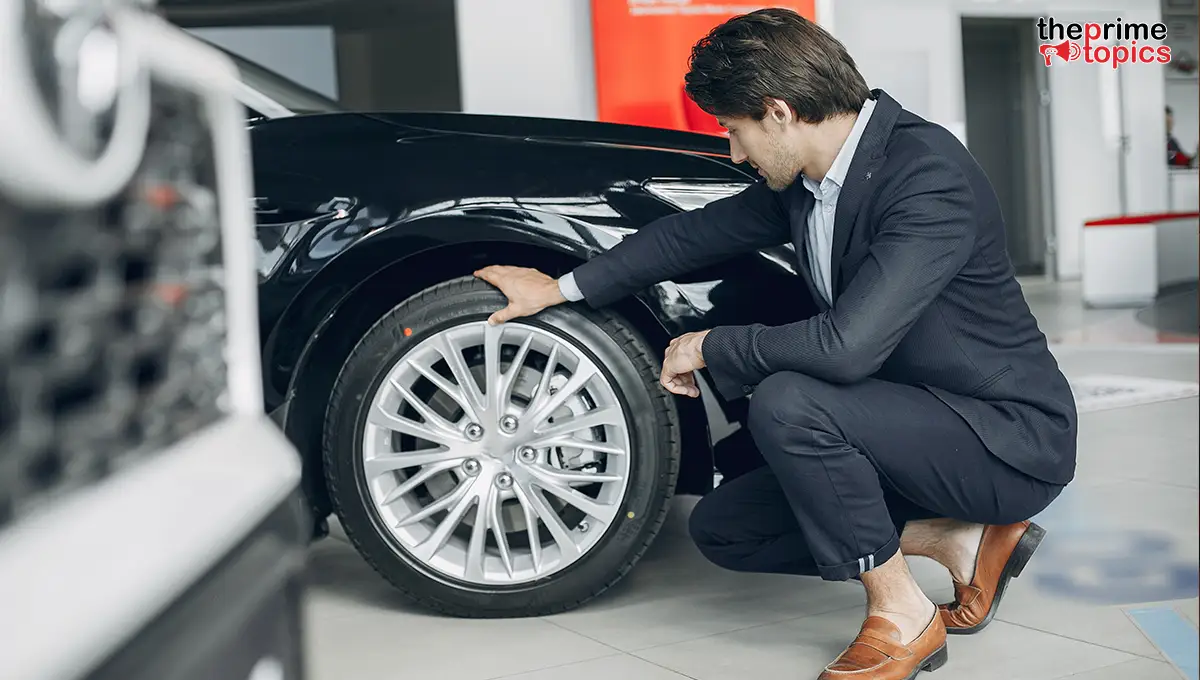
Best Tyres for Electric Cars and Why EV Owners Need to Replace Them More Often
Electric cars may need less routine mechanical maintenance than petrol or diesel vehicles, but their tyres face a different set of demands. Battery weight adds mass, while instant electric torque can put extra stress on the tread during acceleration. Regenerative braking and the way an EV delivers power can also influence tyre wear.
That makes choosing the right tyres more important than simply finding a compatible size. The best tyres for electric cars UK drivers choose should balance grip, durability, rolling resistance, noise, load capacity and overall driving comfort.
But do EVs really wear tyres faster? Sometimes. The difference depends on the vehicle, tyre, driving style, road conditions, alignment and how aggressively the car is driven. Here's what EV owners should know before their next tyre change.
Quick Overview
Electric vehicles can be heavier than comparable petrol and diesel cars because of their battery packs. Instant torque can place additional stress on tyres, particularly during hard acceleration. EV-focused tyres can be designed around higher loads, lower rolling resistance, reduced noise and durability. Not every EV requires a completely different tyre, but the tyre must meet the vehicle manufacturer's specifications.
Why Do Electric Cars Put More Demands on Tyres?
The biggest difference is the combination of weight and torque. EV batteries can add substantial weight to a vehicle. At the same time, an electric motor can deliver strong torque almost immediately when you press the accelerator. This combination can increase the forces acting on tyres, particularly when accelerating hard.
This doesn't mean every EV will destroy its tyres quickly. Driving style and vehicle design matter considerably. A smooth-driving EV owner may experience very different tyre life from someone who frequently uses rapid acceleration.
Tyre wear can also be affected by wheel alignment, tyre pressure, suspension condition, road surfaces and whether the vehicle is front, rear or all-wheel drive.
Do Electric Cars Wear Tyres Faster?
They can, but it's not a universal rule. The RAC notes that battery weight and instant torque can increase tyre wear on electric vehicles. Michelin similarly explains that EVs create additional tyre demands because of their mass and torque, although newer EV platforms can be engineered around those characteristics.
Driving style is particularly important. Frequent hard launches, rapid acceleration, aggressive cornering and heavy braking can increase wear on almost any vehicle.
That means EV owners shouldn't assume that replacing tyres frequently is inevitable. Choosing suitable tyres and adopting smoother driving habits can make a meaningful difference.
EV Tyres vs Regular Tyres UK: What's the Difference?
When comparing EV tyres vs regular tyres UK drivers may notice that some tyres carry specific EV or manufacturer markings, while others are simply approved for use on electric vehicles. EV-focused tyres may be designed with several priorities in mind:
Higher Load Capacity
Because EVs can be heavier, tyres need to support the vehicle's specified load. Always check the manufacturer's required load and speed ratings.
Lower Rolling Resistance
Rolling resistance affects the energy required to move the car. Lower rolling resistance can help improve efficiency and potentially support driving range.
Reduced Road Noise
EV powertrains are relatively quiet, which can make tyre and road noise more noticeable inside the cabin. Some EV-oriented tyres therefore focus on reducing rolling noise.
Greater Durability
Some EV tyres use construction and compounds designed to cope with higher loads and torque. However, durability varies between individual tyre models, so don't assume every EV-marked tyre will automatically last longer.
What Makes the Best Tyres for Electric Cars UK Drivers?
When shopping for the best tyres for electric cars UK owners should look beyond the label. Consider these five factors:
1. Correct Size:
Start with the exact tyre size specified for your vehicle.
2. Load Rating:
Check that the tyre can safely support your EV's required load.
3. Speed Rating:
The tyre should meet the vehicle manufacturer's specification.
4. Rolling Resistance:
Lower resistance can help reduce energy consumption and support range.
5. Wet Grip:
Efficiency shouldn't come at the expense of braking and wet-road performance.
Best EV Tyres 2026 UK: What Should You Look For?
If you're researching best EV tyres 2026 UK, avoid treating “best” as a one-size-fits-all category. Different EVs have different requirements. A compact city car may prioritise comfort and efficiency, while a performance EV may need stronger handling characteristics and higher-speed capability.
Current EV-suitable tyre ranges from major manufacturers include products developed around efficiency, durability, comfort and performance. Michelin, for example, states that its tyre ranges can be suitable for EVs, while specific products are developed to meet particular electric-vehicle requirements.
Your vehicle handbook, tyre placard and manufacturer-approved specifications should remain the starting point.
How EV Owners Can Extend Tyre Life
Buying a suitable tyre is only half the job. Good maintenance can help maximise its usable life.
Check Tyre Pressure Regularly
Incorrect pressure can affect handling, efficiency and wear. Use the pressure recommended by your vehicle manufacturer rather than relying on the number printed on the tyre.
Accelerate Smoothly
Instant torque is fun, but repeated hard acceleration can put additional stress on the driven tyres.
Check Wheel Alignment
Incorrect alignment can cause uneven tread wear. RAC guidance notes that misalignment can cause tyres to wear on one side or develop uneven patterns.
Inspect Tread and Sidewalls
Look for uneven wear, cuts, bulges, cracks or other visible damage.
EV Tyre Comparison Guide
|
Factor |
What EV Drivers Should Look For |
Why It Matters |
|
Load rating |
Suitable for the vehicle's weight |
Supports safe operation |
|
Rolling resistance |
Efficient construction |
Can help energy efficiency |
|
Wet grip |
Strong wet braking performance |
Important for UK weather |
|
Noise |
Low rolling noise |
EV cabins can make tyre noise more noticeable |
|
Durability |
Robust construction and suitable compound |
Helps manage EV weight and torque |
|
Size |
Manufacturer-approved specification |
Ensures compatibility |
|
Speed rating |
Meets vehicle requirement |
Supports safe performance |
Does Every Electric Car Need Special Tyres?
Not necessarily. Some EVs can use tyres that are also suitable for conventional cars, provided the tyre meets the vehicle manufacturer's specifications. Michelin explicitly notes that its standard tyre lines can be suitable for EVs, while some models are specifically engineered around EV requirements.
The important point is compatibility. Don't replace an EV tyre with another product simply because it fits physically. Check load capacity, size, speed rating and any manufacturer-specific requirements first.
When Should You Replace EV Tyres?
In the UK, the legal minimum tread depth for car tyres is 1.6mm across the central three-quarters of the tread and around the tyre's complete circumference. RAC guidance notes that replacing tyres earlier, around 3mm, can be sensible because stopping performance can deteriorate as tread depth decreases.
However, tread depth isn't the only consideration. Replace a tyre sooner if it has serious damage, uneven wear, sidewall problems or other defects. If you notice vibration, pulling, unusual noise or rapid tread loss, have the vehicle inspected.
Protyre and other professional tyre centres can also help identify whether the issue is simply worn rubber or an underlying alignment, suspension or pressure problem.
Common Mistakes EV Owners Should Avoid
Choosing purely on price: A cheaper tyre may not provide the efficiency, wet grip, or durability your EV requires.
Ignoring load ratings: EV weight makes the correct load specification particularly important.
Driving aggressively: Frequent rapid acceleration can increase wear.
Skipping pressure checks: Incorrect pressure can contribute to uneven or accelerated wear.
Assuming every EV needs an EV-marked tyre: Compatibility depends on the vehicle and tyre specifications.
Final Thoughts
The best tyres for electric cars UK drivers choose should match the vehicle's exact requirements while balancing safety, efficiency, comfort and durability. EVs can put additional demands on tyres with Protyre because of battery weight and instant torque, but tyre life also depends heavily on driving style, maintenance, alignment and road conditions.
If you're replacing tyres, don't focus solely on finding the most expensive or most heavily marketed EV tyre. Check the specifications, compare reputable options, maintain the correct pressure and monitor tread wear regularly. A well-matched tyre can help your EV deliver a safer, quieter and more efficient drive.
FAQs
1. Do electric cars wear tyres faster than petrol cars?
They can. Extra vehicle weight and instant torque can increase tyre stress, but actual wear depends on the EV, tyre, driving style, road conditions, alignment and maintenance.
2. Do EVs need special tyres?
Not always. Some standard tyre ranges are suitable for electric vehicles, while certain EV-specific tyres are engineered around factors such as weight, torque, noise and rolling resistance. Always follow the vehicle manufacturer's specifications.
3. What are the best EV tyres in the UK in 2026?
There isn't one tyre that is best for every EV. Compare load rating, size, wet grip, rolling resistance, durability, noise and manufacturer approval before choosing a tyre for your specific vehicle.
4. How can I make my EV tyres last longer?
Maintain the recommended tyre pressure, accelerate smoothly, check wheel alignment, inspect the tread regularly and address uneven wear promptly. Smooth driving can also help reduce unnecessary tyre stress.
5. Where can I buy electric car tyres in the UK?
You can buy EV-suitable tyres from established tyre retailers and professional fitting centres. Search using your vehicle registration, exact tyre size, or manufacturer specification and verify load and speed ratings before ordering.