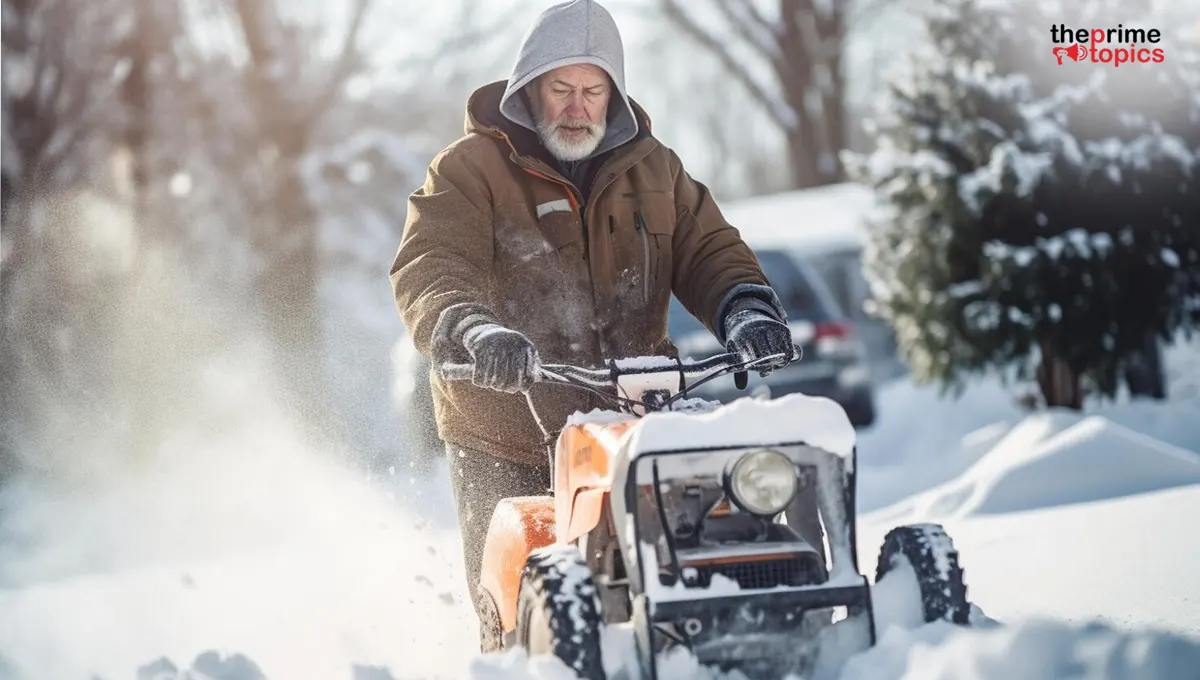
Best Snow Blowers Worth Buying Before Winter Hits and How to Choose the Right Size
Winter snow can turn a simple driveway into a time-consuming chore, especially when heavy snowfall arrives overnight. The right snow blower helps you clear snow faster, reduce physical effort, and keep your driveway and walkways accessible throughout the season. However, choosing the right machine requires more than comparing prices or engine power. You need to consider snowfall depth, driveway size, snow texture, storage space, and whether a gas-powered, corded electric, or battery-powered model suits your property. This guide explains how to find the best snow blower to buy, what features matter most, and how to choose the right size before winter arrives in the United States.
Quick Overview
The best snow blower depends on how much snow your area receives and how much ground you need to clear. Single-stage models work well for light snow and smaller paved driveways, while two-stage machines are better suited to deep snow, larger areas, and heavier winter conditions. Three-stage options may be worth considering for frequent heavy snowfall and demanding clearing jobs. Battery-powered models offer quieter operation and easier maintenance, while gas-powered machines provide sustained power for challenging conditions. Before buying, assess your driveway width, typical snowfall, available storage, and budget to find a snow blower that meets your needs without paying for unnecessary capacity.
Best Snow Blowers to Consider Before Winter
Instead of choosing a machine based on popularity alone, focus on the type of winter conditions you experience and the amount of snow you regularly clear.
1. Single-Stage Snow Blowers for Light Snowfall
Single-stage snow blowers are designed for relatively light snowfall and smaller paved surfaces. Their rotating auger gathers snow and throws it through a discharge chute, making them suitable for routine winter maintenance.
These machines are generally compact, easier to maneuver, and simpler to store than larger models. Electric and battery-powered versions can also reduce maintenance compared with gas-powered equipment.
Best for: Small driveways, short walkways, sidewalks, and regions that typically receive light to moderate snowfall.
What to check: Clearing width, recommended snow depth, throwing distance, and whether the model is designed for paved surfaces. Single-stage units are usually less suitable for deep, compacted snow or gravel driveways.
2. Two-Stage Snow Blowers for Heavy Snow
Two-stage snow blowers use an auger to collect snow and an impeller to discharge it through the chute. This design helps them handle deeper accumulation and heavier, wetter snow more effectively than typical single-stage machines.
Many models include features such as multiple forward speeds, reverse gears, adjustable skid shoes, and power steering. These features can make a difference when clearing a long driveway after a major storm.
Best for: Medium to large driveways, frequent snowfall, and areas where plowed snow creates dense piles near the end of the driveway.
What to check: Engine or motor performance, clearing width, intake height, traction, and maneuverability. A wider machine can cover more ground per pass, but it may be harder to store and turn in confined spaces.
3. Three-Stage Snow Blowers for Demanding Winter Conditions
Three-stage snow blowers add an accelerator mechanism to help process snow quickly before it reaches the impeller. They are designed for demanding applications and may appeal to homeowners who regularly deal with deep accumulation or dense snow left by road plows.
However, more stages do not automatically mean a better purchase. These machines can be larger, heavier, and more expensive than necessary for an average suburban driveway.
Best for: Large properties, frequent heavy snowfall, and homeowners who regularly clear substantial snow accumulation.
What to check: Whether the additional capacity genuinely matches your local conditions, along with storage requirements, maintenance needs, and total cost.
Single Stage vs Two Stage Snow Blower: Which One Do You Need?
The choice between a single stage vs two stage snow blower depends primarily on snow depth, driveway surface, and how often you experience severe winter weather.
|
Feature |
Single-stage |
Two-stage |
|
Best for |
Light to moderate snow |
Moderate to heavy snow |
|
Typical clearing width |
Around 18–22 inches |
Around 24–30 inches |
|
Driveway type |
Smooth, paved surfaces |
Paved or gravel surfaces |
|
Snow handling |
Fresh, relatively shallow snow |
Deeper, wet, and compacted snow |
|
Maneuverability |
Lighter and easier to push |
Heavier; many models are self-propelled |
|
Typical cost |
Lower |
Higher |
|
Ideal homeowner |
Small driveway, occasional storms |
Large driveway, frequent snowfall |
Specifications vary by model. These are general buying guidelines, not fixed limits for every machine.
If you receive only a few inches of snow at a time, a single-stage blower may be sufficient. If your driveway regularly collects deep snow or plows leave dense piles at the entrance, a two-stage model is generally the more practical investment.
How to Choose the Right Snow Blower Size
Choosing the right size means matching the machine's clearing width and intake height to your property and local weather.

1. Measure Your Driveway
A narrow driveway may be easy to clear with an 18- to 21-inch machine. A wider, two-car driveway may benefit from a 24-inch model, while a long or expansive driveway can justify a wider machine.
Remember that wider equipment clears more snow per pass but may be harder to maneuver around parked cars, steps, and tight corners.
2. Check Your Typical Snowfall
Consider the snowfall you regularly experience rather than an unusually mild winter. Light, fluffy snow is easier to move than wet, heavy accumulation at the same depth.
If your region frequently experiences deep storms, choose a machine with sufficient intake height and power for those conditions. A larger model can also help when snow accumulates faster than you can clear it.
3. Consider Your Driveway Surface
Single-stage machines generally work best on smooth pavement because their augers contact the surface. Two-stage machines are typically better for gravel because the auger housing can be adjusted above the ground to reduce stone pickup.
4. Think About Storage and Handling
A large snow blower needs enough room in your garage or shed. Consider its weight, turning radius, controls, and whether you need self-propulsion to manage slopes or long clearing sessions.
Is a Battery Powered Snow Blower Worth It?
A battery powered snow blower worth it question comes down to convenience versus the demands of your winter weather.
Battery-powered models are appealing because they start with the push of a button, operate more quietly than many gas machines, and avoid fuel mixing, engine oil changes, and many routine engine-maintenance tasks. Some manufacturers also offer batteries compatible with other outdoor power equipment in the same product family.
However, runtime depends on battery capacity, snow depth, temperature, and workload. Cold weather can reduce battery performance, and a large driveway may require spare batteries or recharging breaks.
A battery model is a sensible choice for homeowners with smaller or medium paved driveways and relatively manageable snowfall. For frequent, heavy storms or long gravel driveways, a powerful gas-powered two-stage model may offer greater sustained capability. Battery-powered two-stage models are also available for buyers who want cordless convenience with additional clearing capacity.
Finding the Best Snow Blower Under $1,000
The best snow blower under 1000 dollars is the model that handles your usual conditions without stretching your budget unnecessarily.
Here are three practical categories to consider:
- Budget-friendly electric models: Suitable for short, paved driveways and lighter snow, particularly when storage space is limited.
- Battery-powered single-stage models: Useful for homeowners who want cordless convenience, easier starting, and less engine maintenance.
- Entry-level gas-powered models: Worth considering for homeowners who need sustained power and more clearing capacity, provided the model matches their snowfall conditions.
Two-stage gas models may also be available near the $1,000 mark, depending on size, features, retailer pricing, and seasonal promotions. However, not every model in this price range will offer the same performance or features.
Before purchasing, compare the complete kit price, warranty, clearing width, intake height, and included accessories. At Acme Tools, homeowners can review available snow-removal equipment and evaluate which configuration fits their property. Check current pricing and stock rather than assuming a particular model will remain under budget.
Features Worth Checking Before You Buy
A few practical features can make snow clearing considerably easier during a long winter:
- Electric start: Helpful on gas models when temperatures drop.
- LED headlights: Useful for early-morning or evening clearing.
- Adjustable chute: Lets you direct snow away from vehicles, windows, and walkways.
- Self-propelled drive: Reduces the effort required to move heavier machines.
- Heated handles: A welcome feature for homeowners who regularly clear snow in freezing conditions.
When shopping at Acme Tools, compare these features alongside the machine's core performance specifications. Prioritize the features that solve real problems on your property instead of paying extra for equipment you may rarely use.
Conclusion
The best snow blower for home driveway to buy before winter depends on your driveway, average snowfall, and budget. Single-stage models suit smaller paved areas and lighter snow, while two-stage machines are better for deep accumulation, gravel driveways, and frequent winter storms. Battery-powered options offer convenience and quieter operation, making them attractive for many residential properties.
Measure your driveway, assess your local snowfall, and compare clearing capacity before making a decision. A well-sized machine will help you manage winter weather more efficiently without overspending on unnecessary power.
Frequently Asked Questions
1. What size snow blower is best for a two-car driveway?
A 21- to 24-inch snow blower can work well for many two-car driveways. Choose a larger two-stage model if the driveway is long or your area regularly receives heavy snowfall.
2. Is a single-stage snow blower enough for heavy snow?
Usually not. Single-stage models are generally better suited to shallow, relatively light snow. A two-stage machine is typically more effective for deep, wet, or compacted accumulation.
3. Are battery-powered snow blowers reliable in freezing weather?
They can perform well in cold conditions, but low temperatures may reduce battery runtime and output. Store and charge batteries according to the manufacturer's instructions, and consider a spare battery for larger jobs.
4. Can I use a single-stage snow blower on a gravel driveway?
It is generally not recommended because the auger contacts the ground and can pick up stones. A two-stage model with adjustable skid shoes is usually a better option for gravel surfaces.
5. When should I buy a snow blower?
Shopping in early fall gives you time to compare models, check availability, and prepare before the first major snowfall. Buying before peak winter demand may also provide more choices, although discounts and inventory vary by retailer.